
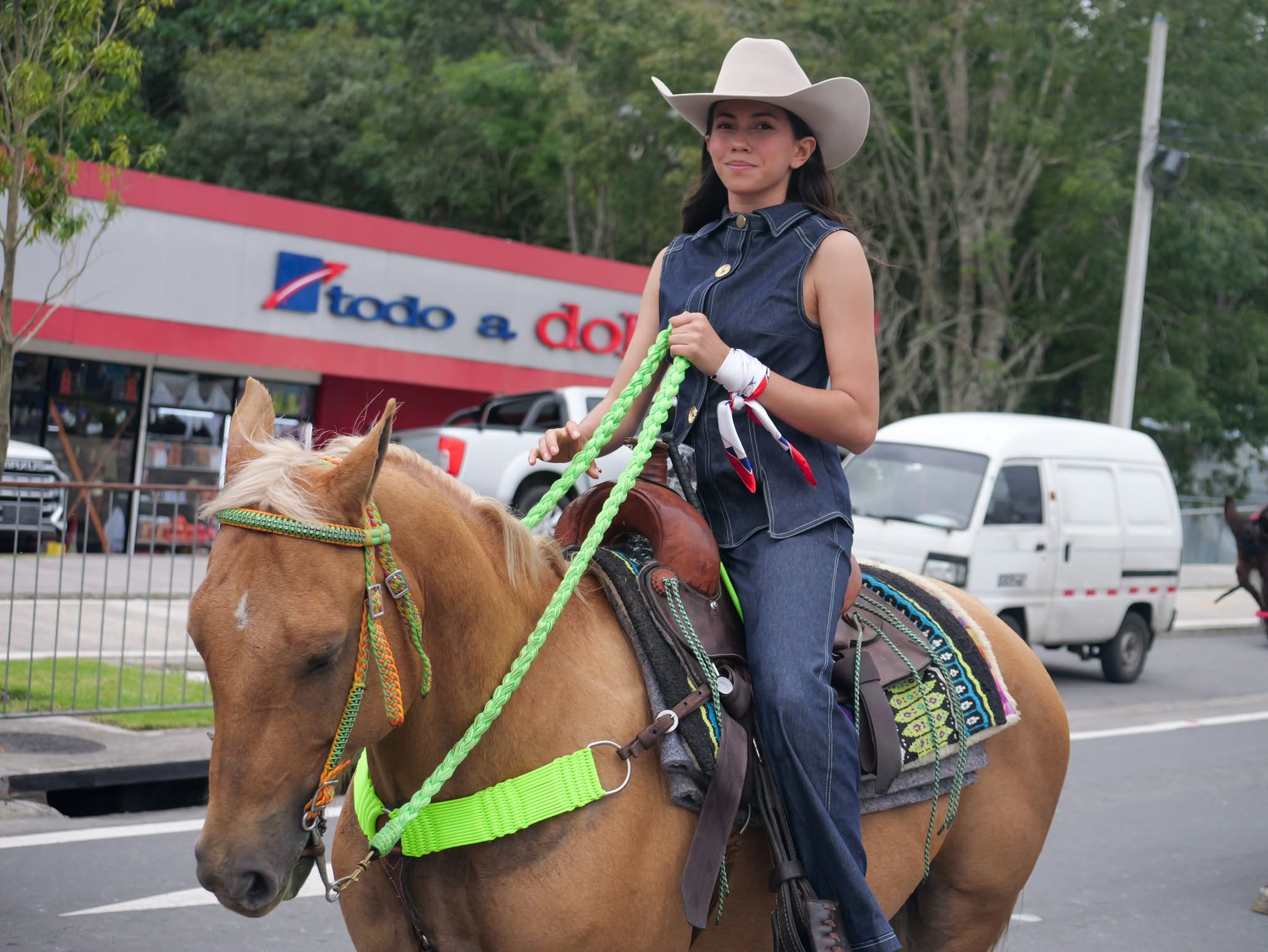
El distrito de Tierras Altas, en Panamá, celebra uno de sus eventos más importantes del año del 11 al 13 de septiembre para conmemorar el 13.º aniversario de su fundación.
Hoy conversé con el alcalde de Tierras Altas, Alexander Chavarría, para conocer los detalles de las actividades del fin de semana. (Haga clic aquí para acceder a la versión en español de este artículo).
A continuación, presento nuestra conversación en formato de preguntas y respuestas:
Tracey Eaton: Para empezar, ¿cuál sería tu mensaje para la gente que está pensando en asistir a la cabalgata? ¿Qué es lo que quisieras decir a la gente para quizás animarlos a asistir?
Alexander Chavarría: Gracias por la oportunidad, muy buenos días. A todos los amigos que quieren asistir a la Cabalgata del Distrito de Tierra Altas, en conmemoración al aniversario, los incentivamos a participar.
Esta ruta que se utiliza para la Cabalgata del Distrito de Tierra Altas, es una ruta amplia, un recorrido de cuatro kilómetros. Lo más importante es que para los amigos caballistas, estos cuatro kilómetros tienen la suficiente amplitud para poder recorrer y pasear tu caballo muy bien. Y para el público, que es el que asiste a ver, tenemos todos los estacionamientos paralelos que pueden utilizar sus vehículos o toldas a lo largo de los cuatro kilómetros.
El punto de inicio es el Club de Leones, el punto de finalización es Club de Leones, un gran show, juegos artificiales, artistas en tarima, y de verdad te incentivamos a los amigos de los diferentes clubes de la provincia y a nivel nacional, venir a disfrutar esta cabalgata, este paseo a caballo, porque el clima lo permite, porque la ruta lo permite, y de verdad, si en el 2024 y 2025 ha sido muy bueno, este año con mucha humildad de la mano, del abanderado, estamos preparados para recibirlos con mucho entusiasmo y brindarles un gran show para que lo disfruten.
Eaton: Y de todos los eventos, ¿cuál sería lo más importante o hay uno que es más importante?
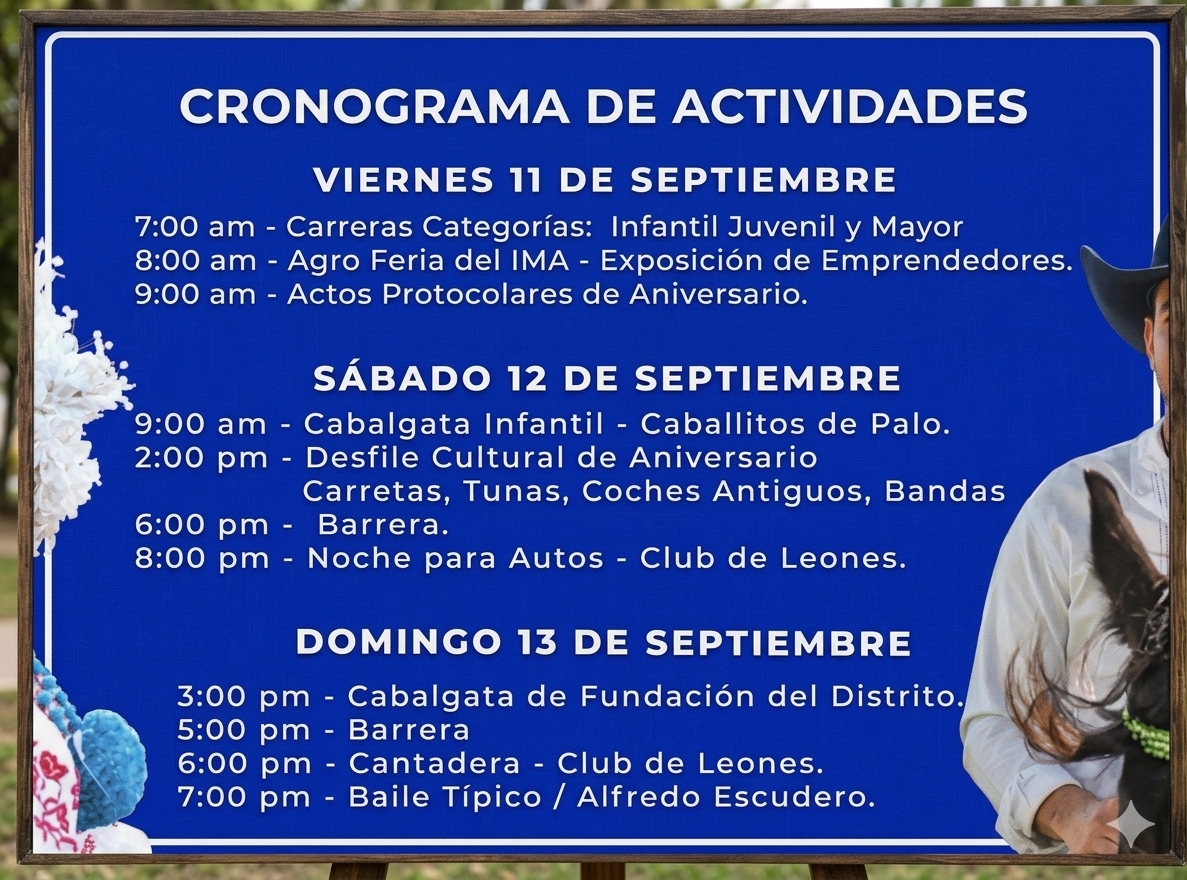
Chavarría: El día sábado tenemos un desfile a lo largo de la vía.
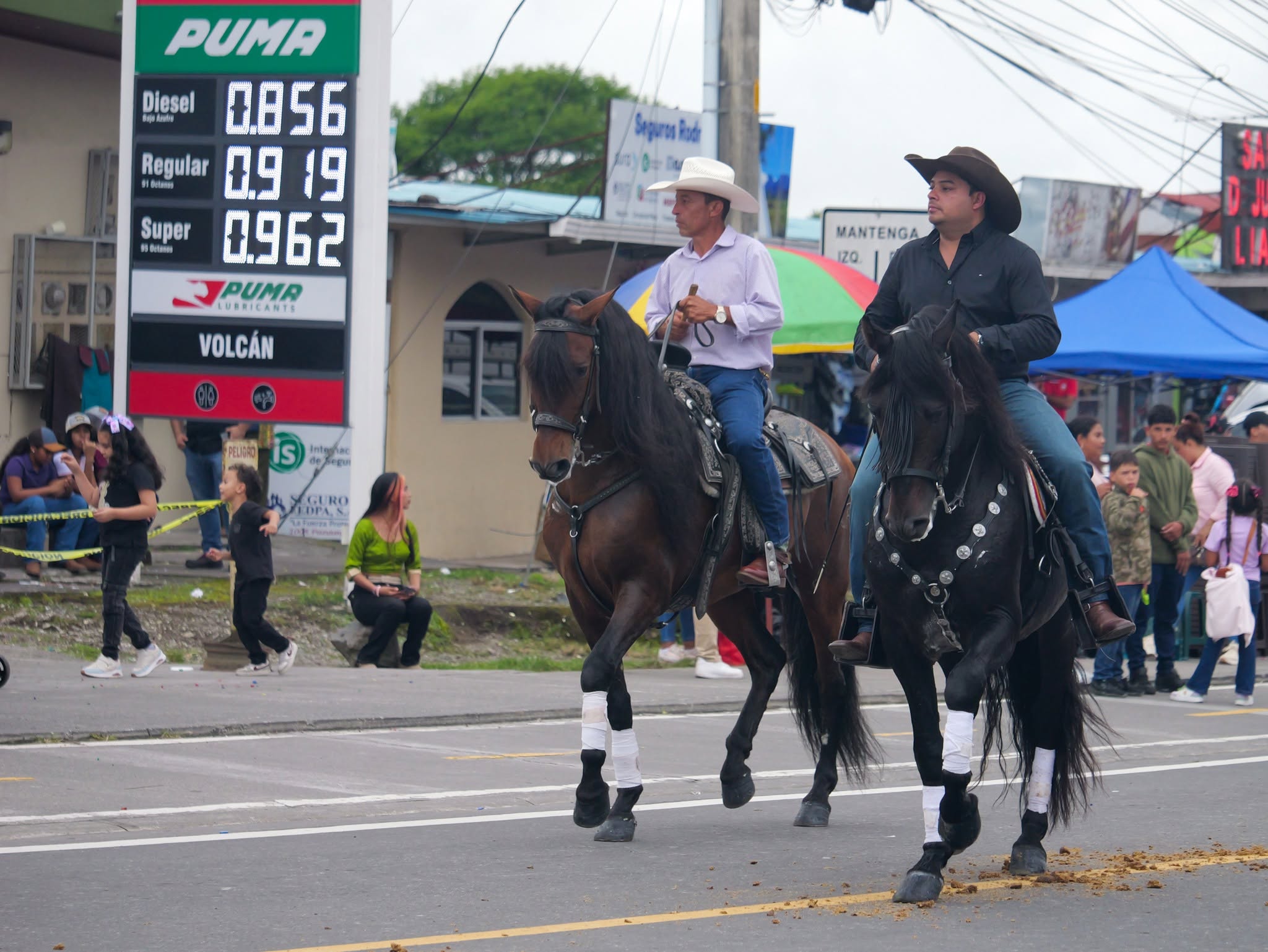
Inicia en el antiguo restaurante Ana Francis, en la vía principal, hasta la estación de combustible Puma. Este desfile reúne varios elementos importantes para el público. Inician dos bandas de música al frente, luego hay un desfile de carretas con los caballos de Zeya Van Ranch, luego existe una tuna folclórica, un conjunto folclórico, un desfile de autos clásicos y se finaliza con cuatro bandas independientes muy reconocidas de la provincia.
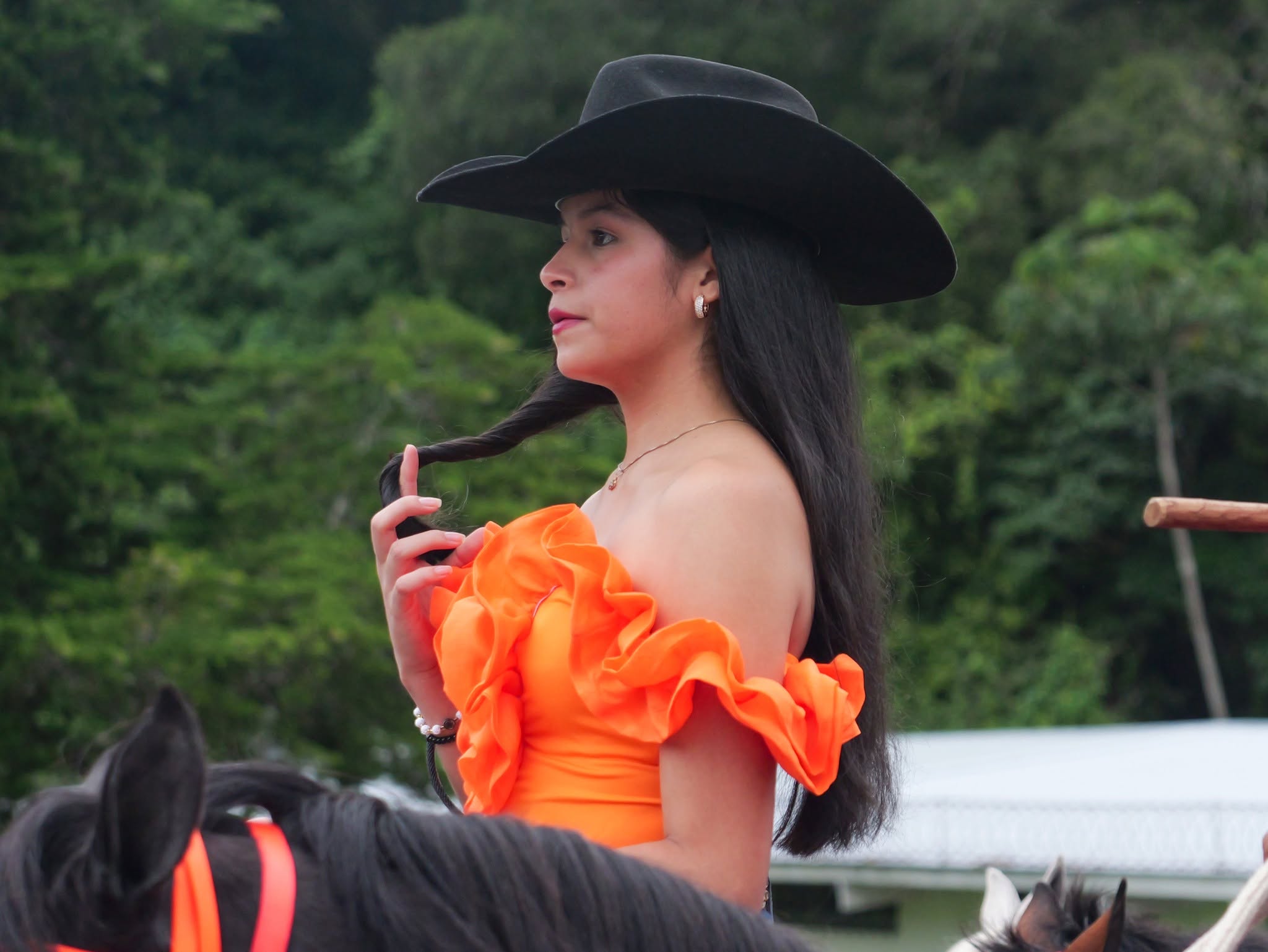
Este desfile es muy importante. Inicia a las tres y media de la tarde hasta horas de la noche, diez, nueve de la noche. Esto es muy importante.
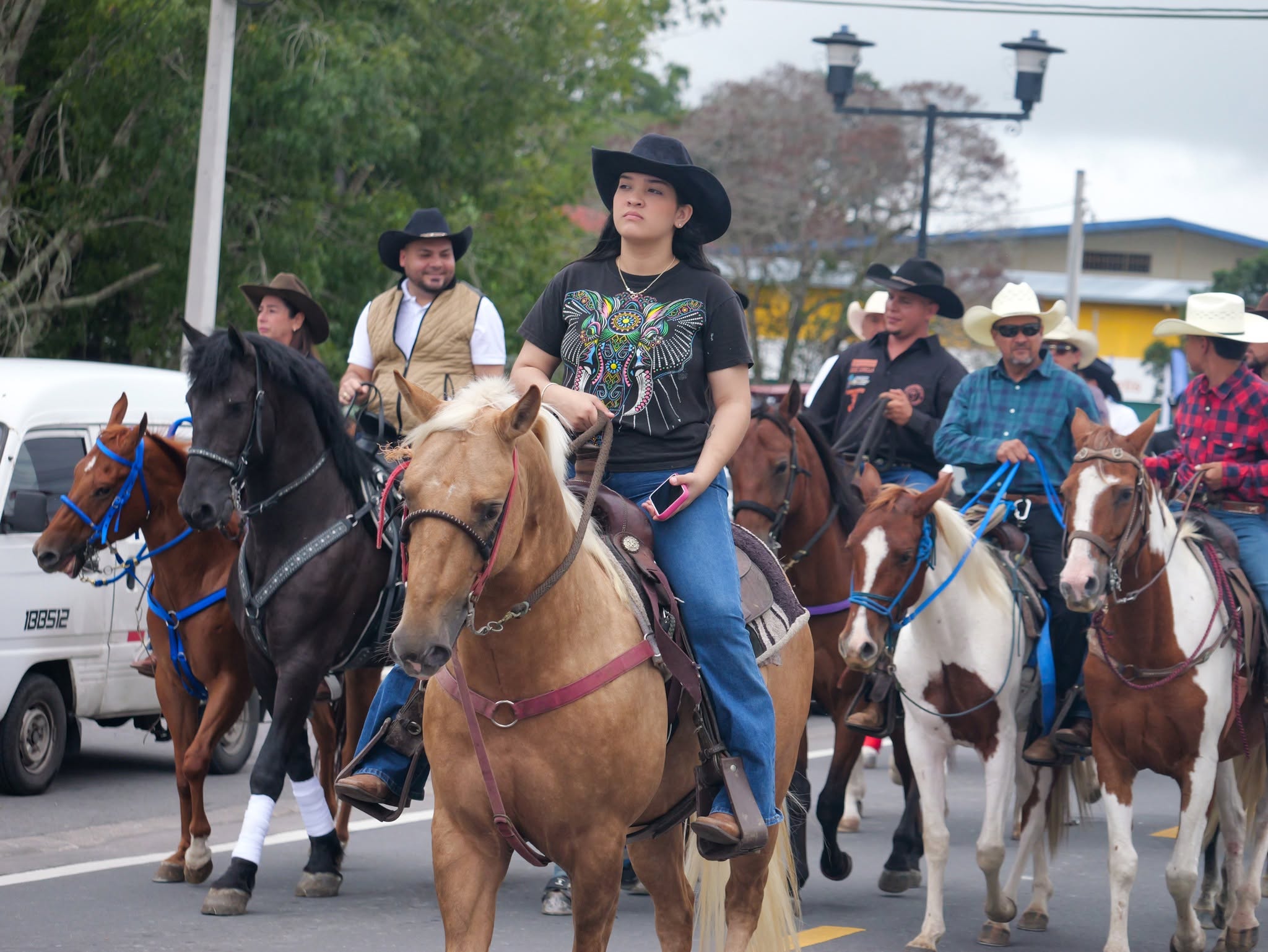
El tema de la cabalgata es algo muy grande, es algo que esperamos mil quinientos caballistas, miles de públicos a lo largo de la vía. Y también tenemos para los pequeñines, porque lo que hemos hecho es tratar de que existan diferentes actividades. También tenemos para los niños y la familia lo que es la cabalgata pero de caballitos de palo, que inicia en el antiguo BDA, en la vía principal, hasta aquí el patio de las instalaciones del municipio.
Cuando los niños lleguen aquí van a ver pintacaritas, brinca-brinca, palomitas, algodón de azúcar, para que los niños se puedan divertir y finalmente entonces puedan compartir en familia.
Eaton: ¿Y cuánto cuesta participar?
Chavarría: En la cabalgata de caballitos de palo no cuesta nada. No cuesta nada.
Es simple y sencillamente estar a las nueve de la mañana donde inicia la ruta que es en el frente del antiguo BDA. No le cuesta nada. Participas en familia y cuando llegas acá entonces tienes el disfrute de todo lo que hemos mencionado de brinca-brinca, pintacaritas y demás.
No te cuesta nada. Hay otras actividades importantes como son las carreras. Las carreras para adultos, hablando de atletismo.
Las carreras para adultos inician en el puente Tisingal. Pasas por aquí, bajas por calle Estudiante y nuevamente llegas aquí al municipio 9 kilómetros. Esa sí cuesta 5 balboas para los adultos de 17 años y más.
La de los jóvenes que inicia en el Hotel Dos Ríos que es de 12 a 16 años cuesta 3 dólares. Y la de los jóvenes, los jovencitos de 8 a 11 años es totalmente gratis. Todas, todas las disciplinas se van a premiar a los 5 primeros lugares de damas y a los 5 primeros lugares de varones.
Con premio en efectivo, más medallas para cada uno.
Eaton: Y entonces, ¿este es el evento más grande que va a tener Tierras Altas este año?
Chavarría: Tenemos dos eventos muy grandes en Tierras Altas. Este que es el aniversario del distrito que cumplimos 13 años, el domingo 13.
Pero tenemos otro evento posterior a este que nos estamos preparando desde ya 28 de noviembre. 28 de noviembre aún supera este evento. 28 de noviembre del año pasado tuvimos 68 bandas, miles de personas en la vía, al comercio les fue muy bien, a los visitantes nacionales e internacionales les gustó.
Entonces, ahorita estamos preparados para lo que es el aniversario. Acto protocolar, viernes 11 aquí, lo invito. 12 es el desfile de caballitos de palo y el desfile de la tarde.
También tenemos noche para autos. Tenemos barrera para los que les gusta la barrera. Incluso hay evento típico para los que les gusta el típico.
Todo esto es conmemoración a los 13 años de aniversario del distrito. Pero posterior que salimos de este evento, entonces nos preparamos para el 28 de noviembre que es un evento todavía mucho mayor, con más público, más compromiso, pero lo hacemos de corazón en beneficio de nuestra población.
Eaton: ¿Y este evento de noviembre cuál es la ocasión?
Chavarría: Es la celebración de la independencia de Panamá donde participan todos los colegios que tienen bandas de música y bandas de liras y tambores.
Todo el que desea participar en Tierras Altas está recordando que el 28 de noviembre se celebra en Boquete, aquí con nosotros en Tierras Altas y en Chorrera. El año pasado muchos colegios decidieron apoyar el desfile de Tierras Altas 28 de noviembre. Este año vamos a tener muchos otros colegios que van a participar y es un desfile de bandas de primaria, bandas de colegios y de bandas independientes.
Debemos tener este año alrededor de 70 bandas que van a participar, alrededor de 60.000, 70.000 personas que nos visitan en esa fecha y cae muy buen día porque es fin de semana. Así que te invitamos a que te sumes, nos ayudes a brindar la información del 28 de noviembre que será otro espectáculo en Tierras Altas.
Eaton: Ahora, por lo que este es una celebración de la Fundación de Tierras Altas, ¿puede decir brevemente qué es lo especial que tiene Tierras Altas celebrando estos 13 años? ¿Qué es lo que quisiera que la gente sepa de cómo ha avanzado y desarrollado Tierras Altas en estos 13 años?
Chavarría: Bueno, cuando nace la idea de crear el distrito porque pertenecíamos al distrito de Bugaba, cuando eso sólo éramos el corrimiento de Volcán y Cerro Punta, se crea el distrito de Tierras Altas mediante ley de la Asamblea y nos da la oportunidad de ser un distrito joven, un distrito que quienes lo tuvieron en mente, su creación, un distrito verde, un distrito amigable.
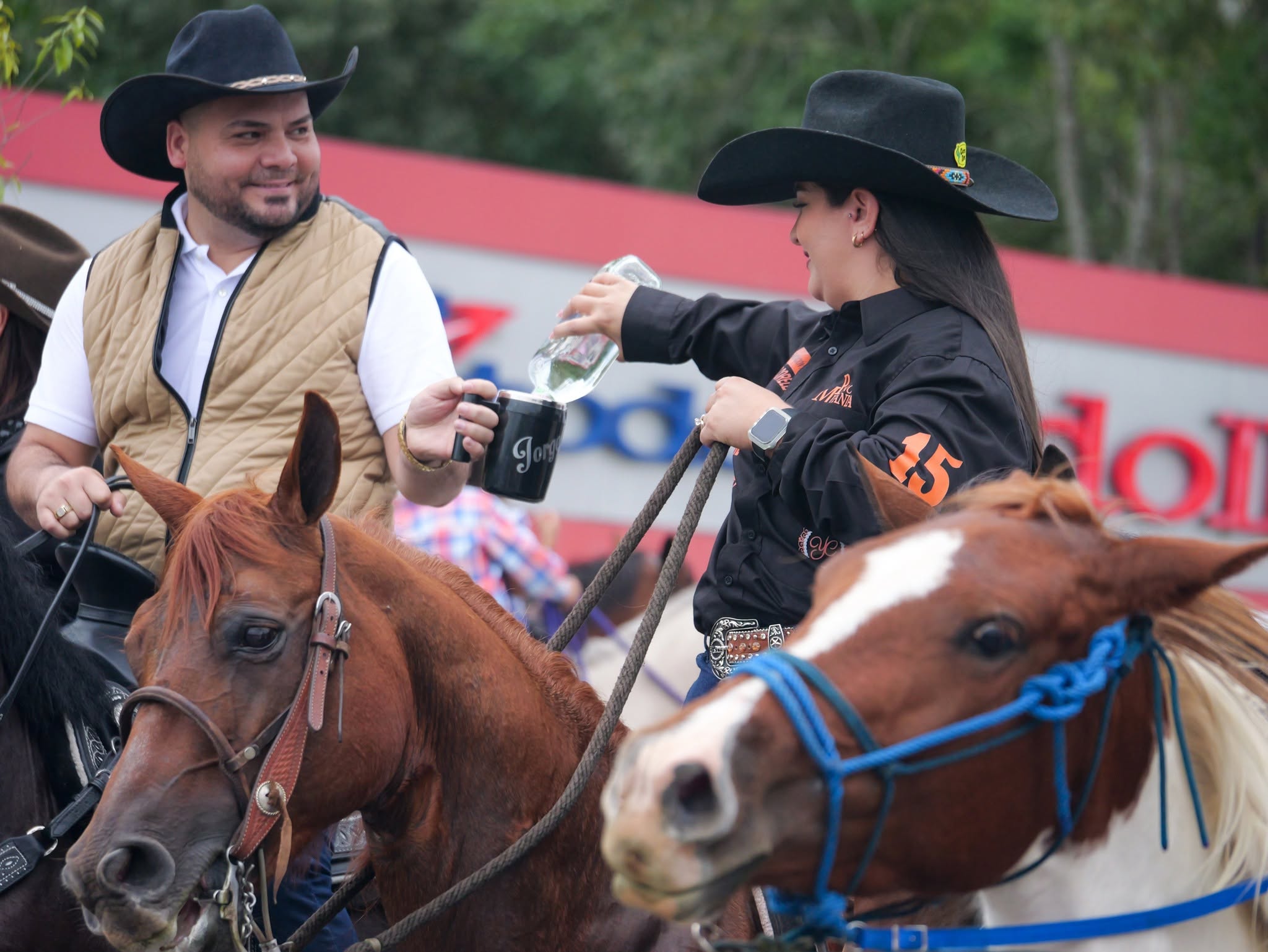
Aquí lo más importante es el don de la gente netamente de Tierras Altas de atender al público, de atender al que vive aquí mismo y sobre todo para los que viven aquí y para los que nos visitan, saben que el distrito de Tierras Altas es especial porque hay mucha naturaleza, está el área verde para disfrutarla, también hay muy buena gastronomía y sobre todo también hay una gente que se siente identificada con Tierras Altas, que quiere lo que vive y lo que hace y tenemos… Tierras Altas tiene dos cosas muy importantes que es una mezcla, una mezcla del turismo que se está ya viendo ese auge, pero también está la otra parte que identifica a Tierras Altas que es la producción agrícola, hablando de todo lo que es los vegetales. Tierras Altas produce el 80% de todos los vegetales que consumimos a nivel nacional y por ello tenemos dos componentes muy importantes, el turismo y la producción agrícola. Y queremos decirle pues que sí, nos sentimos muy contentos, muy identificados con nuestro distrito.
El habernos convertido como distrito nos ha dado un sitio muy importante a nivel nacional, así que invitamos a los que no conocen a Tierras Altas venir, visitarnos, gozar de la gastronomía, gozar de la atención de la gente, gozar de esa naturaleza, de esos hermosos lugares que tiene Tierras Altas para visitar, tanto en tema de turismo como en tema de producción.
Eaton: Y este año, por lo que no ha habido mucha lluvia, ¿cree que la cabalgata y todos esos eventos ayudan a pues, olvidar un poco los problemas que han habido, quizás también problemas de la economía. ¿Qué cree?
Chavarría: Definitivamente, tú tienes toda la razón. Todos sabemos que estamos confrontando problemas difíciles con tema de poca lluvia y eso afecta un tema de la producción, eso no es mentira.
Sin embargo, esta actividad que conmemora el aniversario de habernos creado como distrito, primero nos da un sentido de pertenencia y de identidad, pero también le permite al público gozar dentro de las actividades con las que te identificas, porque hay diferentes actividades. Y también le permite al sector comercial del Distrito de Tierras Altas que tiene su comercio establecido o que es emprendedor en el momento de que por todo el público que asiste, exista una mejor economía a nuestra población, a nuestra gente, y por ende yo sé que unos vienen a divertirse, otros gozan, aparte de eso dejas un incremento económico a la población del Distrito de Tierras Altas que eso es favorable.
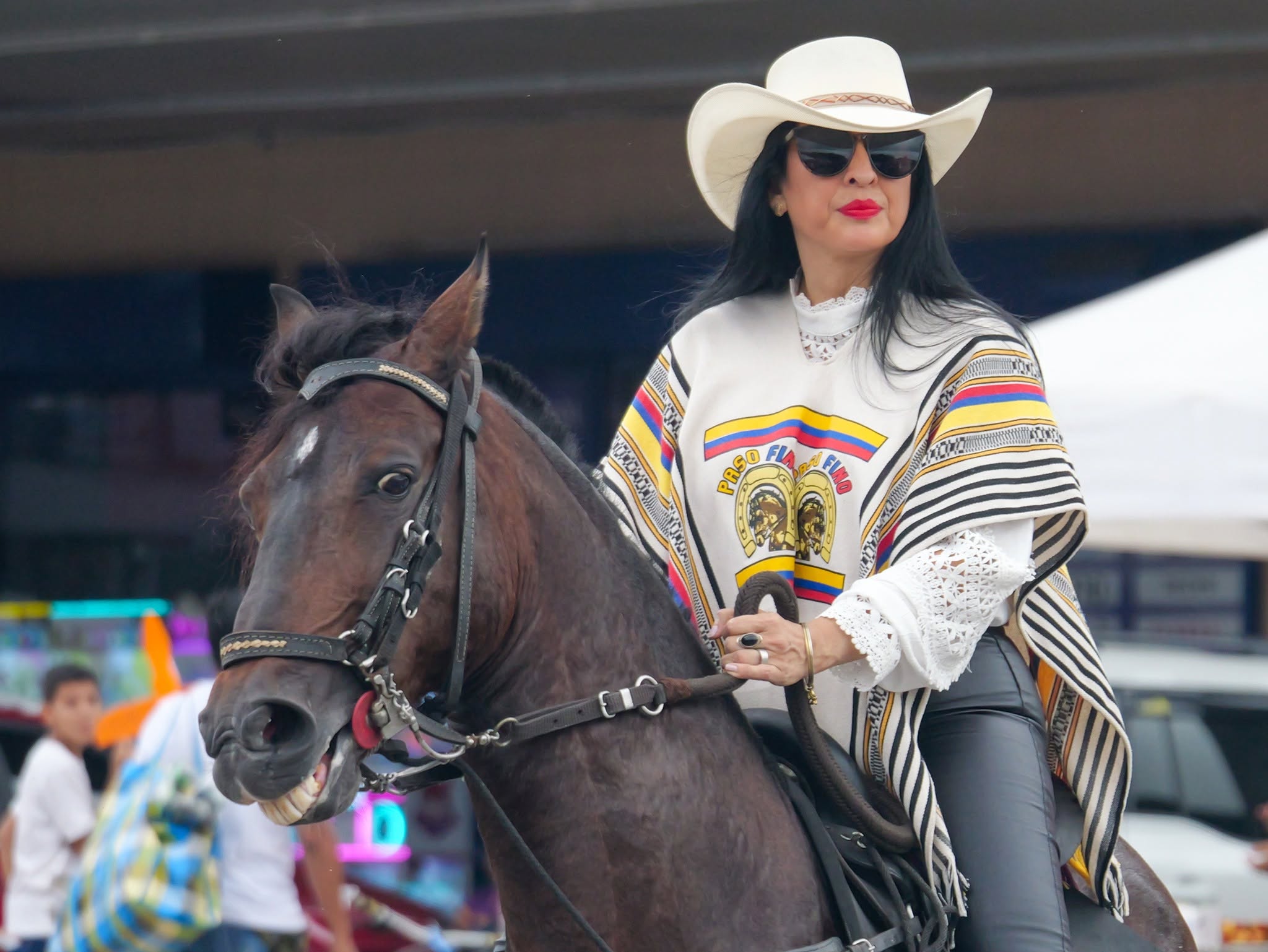
Eaton: Este evento reúne de cierta forma diferentes clases sociales, porque por un lado entiendo que algunos de esos caballos y todo eso son carísimos, pero no es que hay una mezcla entre personas que tienen dinero, personas que no tienen dinero, ¿cómo lo ve eso?
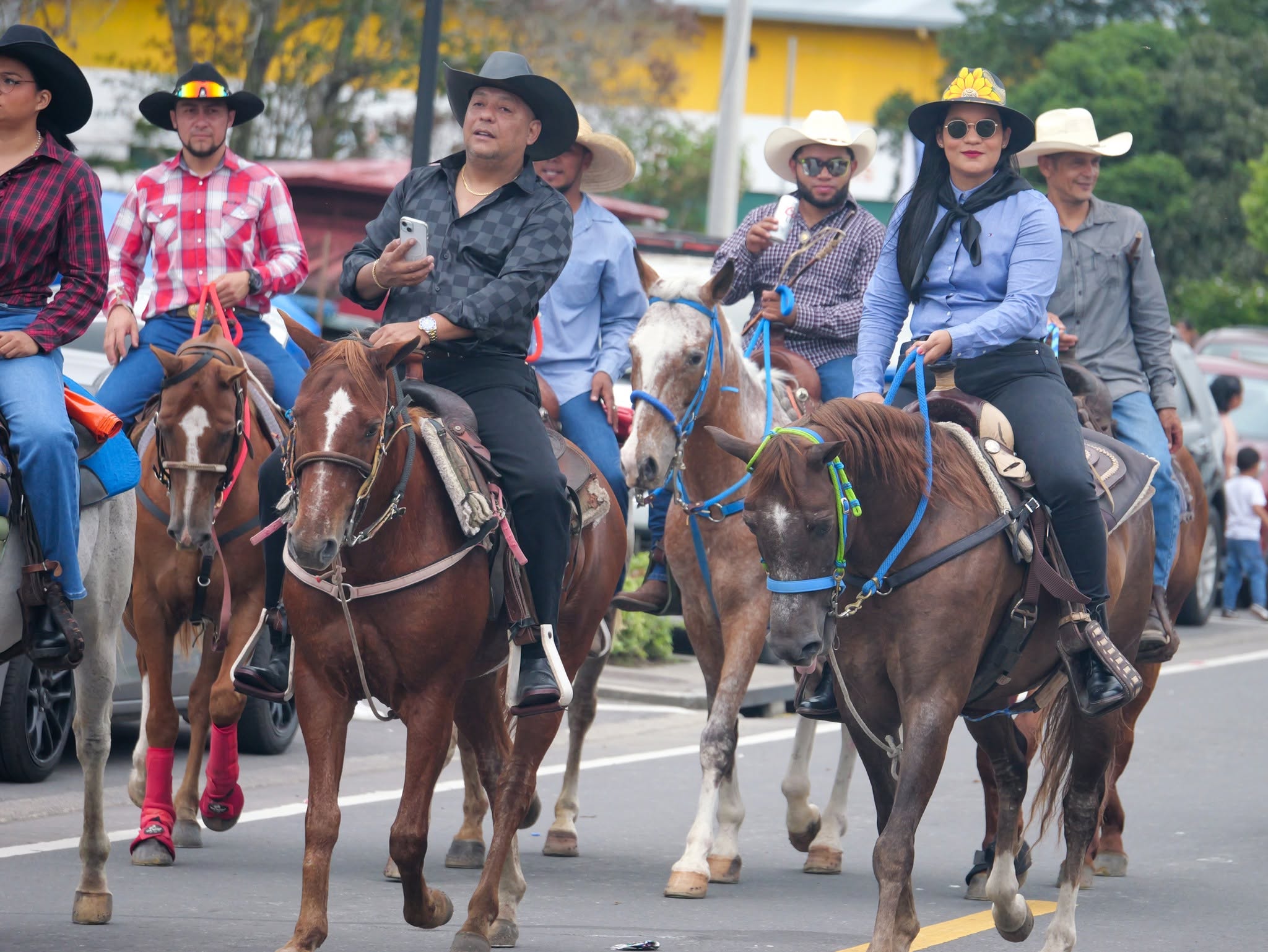
Chavarría: Este evento de Tierras Altas, hablando de la cabalgata, es muy bonito, pero también un evento que le abre las puertas a todas las clases sociales en este evento de cabalgata, desde el que tiene un caballo más humilde, hasta el que tiene un caballo de una gran raza, porque esto es para todo, esto es para unir lazos de fraternidad, de amistad, de lo que brinda Tierras Altas, que es ese sentido de humildad y de pertenencia, así que este tema de la cabalgata es para todo el mundo, desde el caballo más fino, al caballo más humilde. Así que es para todo el mundo, para que lo gocen. Durante el 2024 se demostró que ocupamos un sitial muy importante a nivel nacional, hablando de cabalgata, lo repetimos en el 2025 y este año 2026 no va a ser la excepción, gracias al abanderado Virgilio Saldaña, eso lo quiero resaltar, el abanderado es netamente un joven productor, empresario de Tierras Altas, que le da un sitial muy importante al distrito, porque a lo que se dedica su gente, su familia, y él, es al tema de la producción y de la comercialización, netamente por lo que se identifica Tierras Altas en el sistema agrícola.
Eaton: Yo vi que él va a participar, ¿cómo fue escogido?
Chavarría: Cuando es así, uno siempre lanza propuestas a diferentes personas, que primero pues puedan apoyar a desarrollar el evento, no es fácil, tiene un costo poder ser abanderado, poder cubrir toda la logística para la atención al público y por eso pues nos identificamos que en esta ocasión buscaríamos, como Junta de Festejos Patria de la Alcaldía, de buscar una persona que se identifique con lo que hace Tierras Altas. Tierras Altas en su gran mayoría es producción agrícola, vegetales y demás, y por eso escogimos al joven Virgilio Saldaña, porque su papá, sus hermanos tienen una gran empresa de producción de vegetales, papas y demás, y por eso escogimos a este muchacho. Aparte de eso, él se siente muy identificado con lo que hace Tierras Altas, y en el recorrido de la cabalgata lo va a demostrar entregando obsequios a los niños, no es solamente para los adultos, para los que andan en caballo, también hay diferentes obsequios para los niños en el recorrido de la cabalgata, para los niños que están a lo largo de la vida con sus familiares.
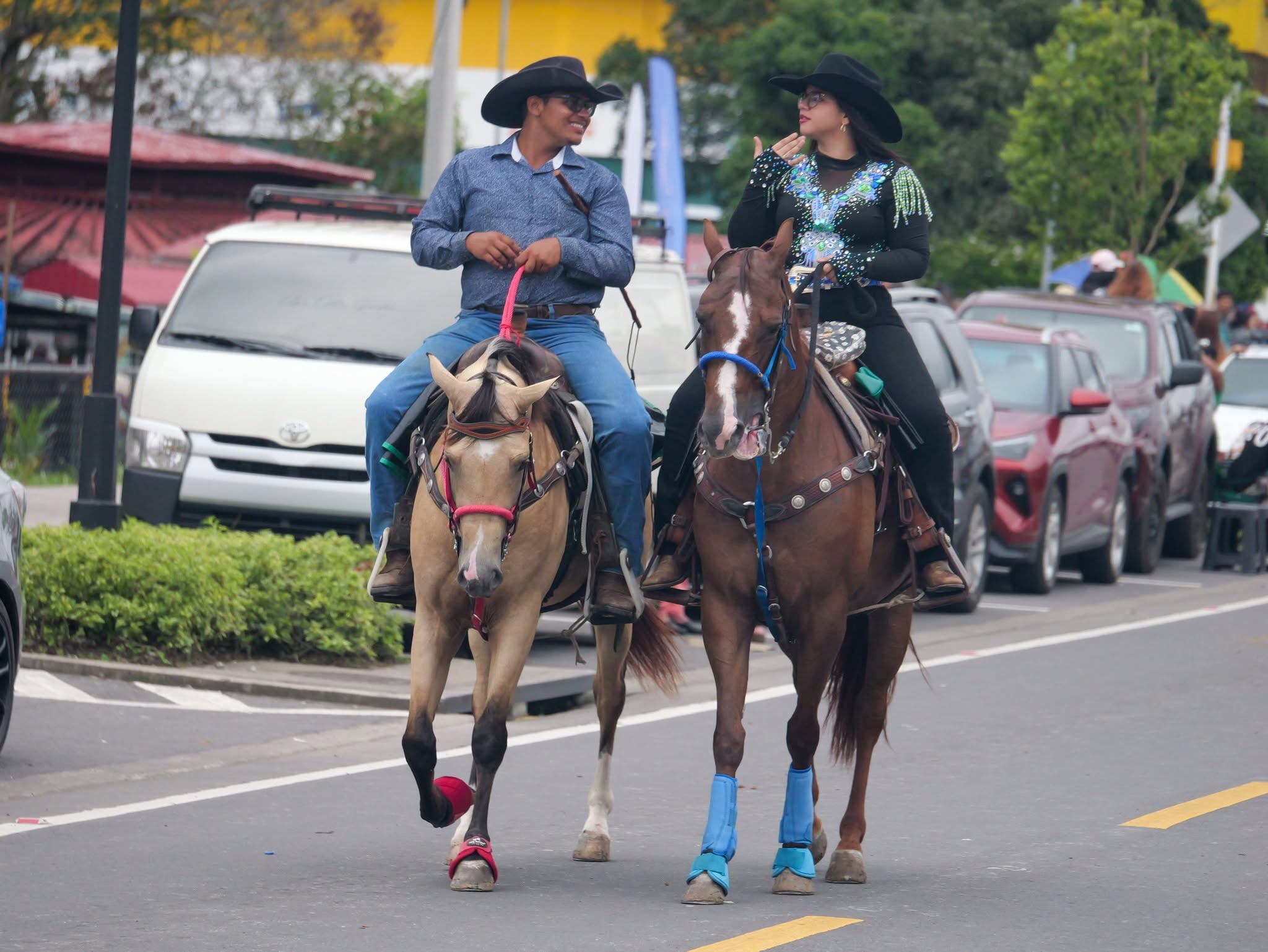
Eaton: Una cabalgata forma una parte de la identidad del panameño. ¿Tiene mucha importancia para los panameños?
Chavarría: Claro que sí, el Panamá no escapa de esta realidad, incluso no solamente lo que has mencionado, el sistema de transporte en Panamá, antes cuando los caminos eran difícil, cuando no había conexión entre un lugar y otro, el sistema de transporte de manejarte del lugar donde tú vives, al lugar de lo que trabajabas, era el caballo.
Entonces, por eso hoy día no solamente nos servía como una herramienta de trabajo, como una herramienta de movilizarnos, sino hoy día entonces nos permite poder reunir grandes amistades que quizás por el tema de sus compromisos personales no tienen la oportunidad de compartir y en esta cabalgata nos da esa oportunidad de compartir y también al público de poder presenciar y disfrutar las diferentes razas de caballos que van a venir a esta cabalgata del Distrito de Tierras Altas.
Eaton: Última pregunta, en la propia fundación hace 13 años una de las ideas de organizar Tierras Altas era de mejorar los servicios y los caminos, carreteras, todo eso, capaz que hay menos gente que tiene que andar a caballo obligatoriamente hoy en día desde que hace 13, 15 años. ¿Usted puede hablar un poco sobre cómo ha mejorado los servicios desde que fue fundado Tierras Altas?
Chavarría: Mira, Tierras Altas al verse convertido como distrito tenemos que agradecer a aquellos que tuvieron esa visión porque hemos mejorado hemos mejorado en el tema del comercio hay más restaurantes hay más hoteles, hay más supermercados hay más cafeterías que antes no las teníamos y eso nos da la oportunidad primero de brindarle un servicio al que lo adquiere al que lo necesita y dos, también damos una empleomanía a nuestra gente y por ende se lleva un recurso económico al hogar pero no solamente en ese sector también al habernos convertido como distrito nos ha dado la oportunidad de que se vayan mejorando muchas vías de acceso en la parte agrícola y en la parte turística hoy por hoy podemos agradecer la gran cantidad de calles nuevas que no teníamos y hoy las tenemos eso se lo agradezco al gobierno central y por otro lado nosotros como autoridad local nos hemos organizado de la mano del Ministerio de Obras Públicas y del Consejo Municipal de aperturar o de mejorar vías de acceso que eran totalmente en mal estado y nosotros las hemos podido cortar, ampliar regarle material conformarlas y permitir que aquellas vías, muchas que no podía pasar un vehículo pequeño hoy día son transitables para cualquier tipo de vehículo de los terralteños y del que nos visite, por ejemplo nosotros ahora que sabemos que tenemos estas actividades del aniversario y que también vamos a tener el 28 de noviembre en la vía principal hemos habilitado una calle que entras frente a la estación de combustible Delta frente a Panadería Volcán y te lleva directo hacia la caseta del Colegio Secundario de Volcán permitiéndole a todo el transportista tanto de vehículos pequeños medianos y grandes poder utilizar esa ruta que antes no podíamos hoy se puede utilizar y todo el que va hacia Paso Ancho o hacia Cerro Punta, puede utilizar esta vía y no tiene por qué esperar que la vía principal se desocupe, estos son avances entonces nosotros podemos decirte que también en la parte de inversión privada, estamos viendo cómo está llegando la inversión para diferentes empresas que ya se están instalando en nuestro distrito y que van a permitir que cada día Tierra Altas tenga una oferta en todos los aspectos para los terralteños para el que nos visita así que nosotros de verdad agradecemos por todo lo que hemos ido creciendo, seguimos incentivando a nuestra población que cada día sepan que hay que brindar un servicio cada día mejor no solamente para nosotros mismos sino para el que nos visita para el que decide escoger a Tierra Altas como un lugar para habitar, para quedarse permanente a los extranjeros también nosotros aquí en Tierra Altas le hemos abierto las puertas y estamos dispuestos a seguir trabajando unidos, porque nosotros somos conscientes que con los gobiernos locales, hablando de los cinco representantes, con el gobierno central y con toda la población que habita el distrito de Tierra Altas tanto nacionales como internacionales unidos podemos hacer que cada día Tierra Altas se pueda sitiar en ese mapa importante, tanto en materia de turismo, en materia de atención y de servicios como también en la parte turística agropecuaria.
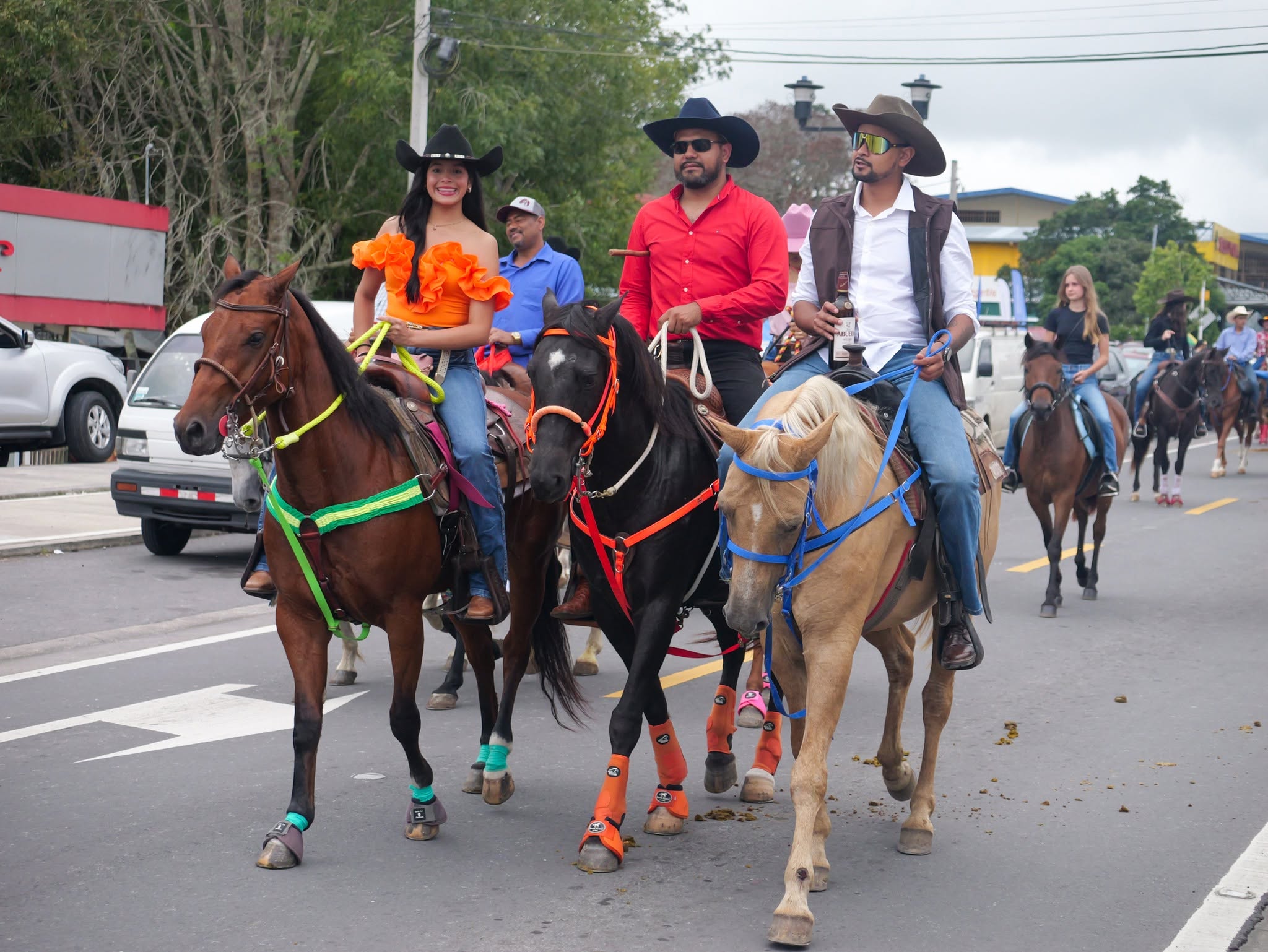
Eaton: Yo no tengo ninguna otra pregunta, ¿hay algo que quisiera añadir, agregar?
Chavarría: Bueno, decirle a toda la población del distrito y a los que viven aquí tanto nacionales e extranjeros, que aquí estamos para servirles que la alcaldía de Tierra Altas humildemente brinda diferentes servicios en diferentes departamentos tanto en la parte de orientación, que aquí estamos para servirles, así que con mucha confianza pueden venir aquí nosotros desde el primer día manifestamos que la alcaldía es una alcaldía de puertas abiertas para los 23 mil habitantes que tienen nuestro distrito y para todo el que necesita de un servicio de esta institución, aunque no sea Tierra Altas, estamos para servirle.
Eaton: Gracias.
A English-language translation by Google Translate is below:
English version
Tracey Eaton: To start off, what message would you have for people thinking about attending the cabalgata (parade on horseback)? What would you like to say to encourage them to come?
Alexander Chavarría: Thank you for the opportunity; good morning. We encourage all our friends who wish to attend the Tierra Altas District Cabalgata—held to commemorate the anniversary—to participate.
The route used for the Tierra Altas District Cabalgata is spacious, covering a distance of four kilometers. Most importantly for the horse riders, this four-kilometer stretch offers plenty of room to ride and enjoy the journey with your horse. As for the spectators, there is ample parallel parking along the entire four-kilometer route where they can park their vehicles or set up canopies.
The event starts and ends at the Lions Club. There will be a great show, fireworks, and live performances on stage. We truly encourage friends from various clubs across the province and the country to come and enjoy this cabalgata—this horseback ride—because the weather and the route are perfect for it. After successful events in 2024 and 2025, we—along with the event’s standard-bearer—are humbly and enthusiastically prepared to welcome everyone and put on a fantastic show for you to enjoy.
Eaton: And of all the events, which is the most important, or is there one that stands out?
Chavarría: On Saturday, we have a parade along the main road.
It starts at the former Ana Francis restaurant on the main road and goes as far as the Puma gas station. This parade brings together several elements that the public loves. It kicks off with two marching bands at the front, followed by a procession of wagons featuring horses from Zeya Van Ranch, a traditional tuna (folk music troupe), and a classic car parade; it concludes with four highly renowned independent marching bands from the province. This parade is very important. It starts at 3:30 PM and runs into the evening—until nine or ten o’clock at night. It is a major event.
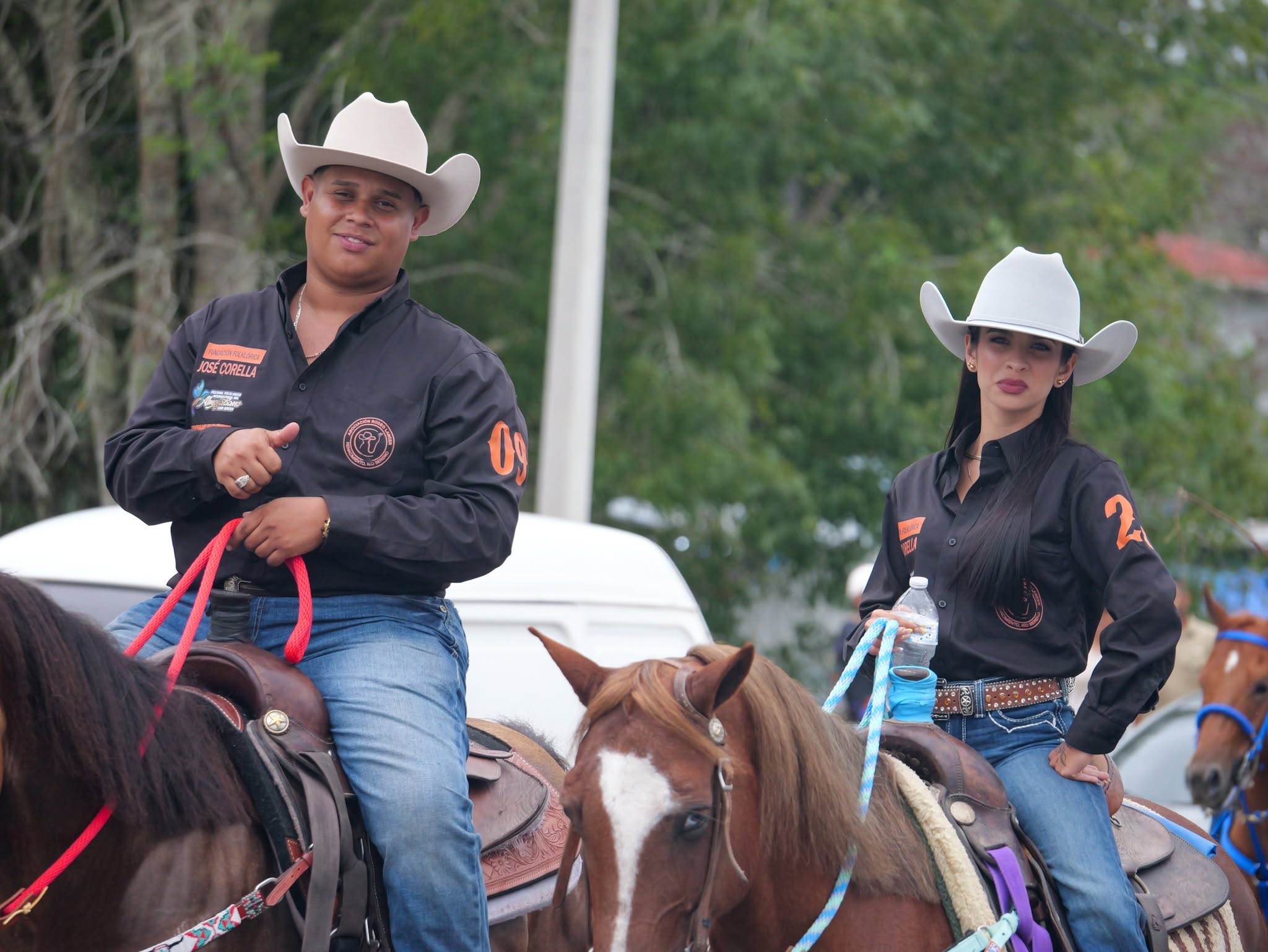
The horse parade is a huge affair; we are expecting 1,500 riders and thousands of spectators lining the route. We also have something for the little ones—we’ve tried to organize a variety of activities. For children and families, we have a hobby-horse parade that starts at the old BDA building on the main road and ends here in the municipal complex courtyard.
When the children arrive, they’ll find face painting, bounce houses, popcorn, and cotton candy—things to ensure they have fun and enjoy quality time with their families.
Eaton: And how much does it cost to participate?
Chavarría: The hobby-horse parade costs nothing. It’s completely free.
You simply need to be at the starting point—in front of the old BDA building—at 9:00 AM. It costs nothing. You participate as a family, and once you arrive here, you get to enjoy everything we mentioned: the bounce houses, face painting, and so on.
It doesn’t cost a thing. There are other important activities, too, such as the races—specifically, the adult running races.
The adult races start at the Tisingal Bridge. You run past here, go down Estudiante Street, and return here to the municipal building—a 9-kilometer course. That one does have a fee: 5 balboas for adults aged 17 and older.
The race for youths aged 12 to 16 starts at the Hotel Dos Ríos and costs 3 dollars. The race for younger children—ages 8 to 11—is completely free. In all categories, prizes will be awarded to the top five female finishers and the top five male finishers.
Winners receive cash prizes as well as medals.
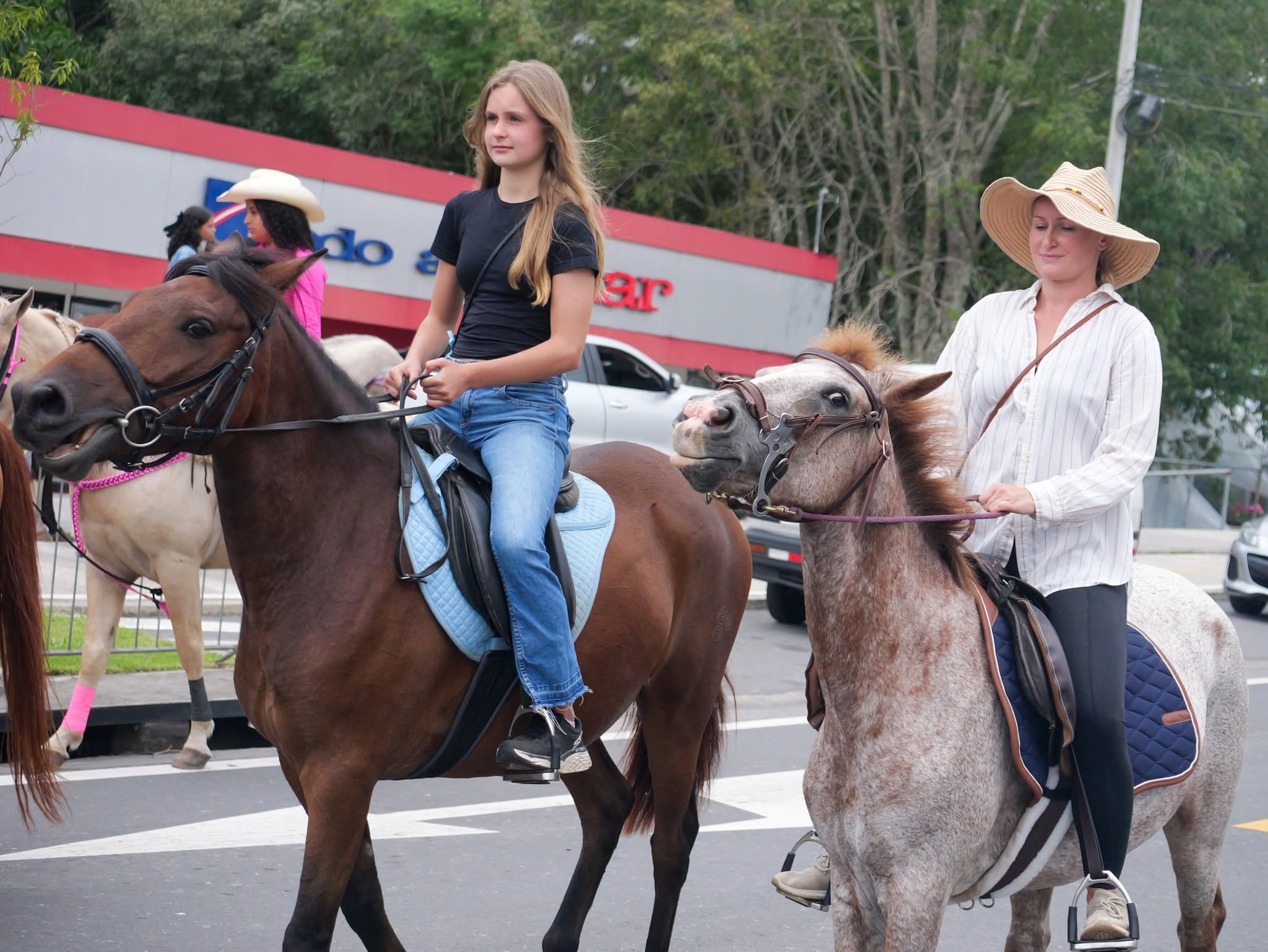
Eaton: So, is this the biggest event Tierras Altas is hosting this year?
Chavarría: We have two major events in Tierras Altas. There’s this one—the district’s 13th anniversary celebration—on Sunday the 13th.
But we have another event coming up after this one that we’re already preparing for: the November 28th celebration. That event is even bigger than this one. Last year on November 28th, we had 68 bands and thousands of people lining the streets; local businesses did very well, and both domestic and international visitors enjoyed it.
Right now, we’re getting ready for the anniversary. There’s a formal ceremony here on Friday the 11th—I invite you to attend. On the 12th, we have the hobby-horse parade and the afternoon parade.
We also have a car show and a barrera [traditional bull-running/arena event] for those who enjoy that. There’s even a traditional music event for fans of that genre.
All of this commemorates the district’s 13th anniversary. But once this event wraps up, we’ll start preparing for November 28th, which is an even larger event—drawing bigger crowds and requiring more effort—but we do it for the benefit of our population.
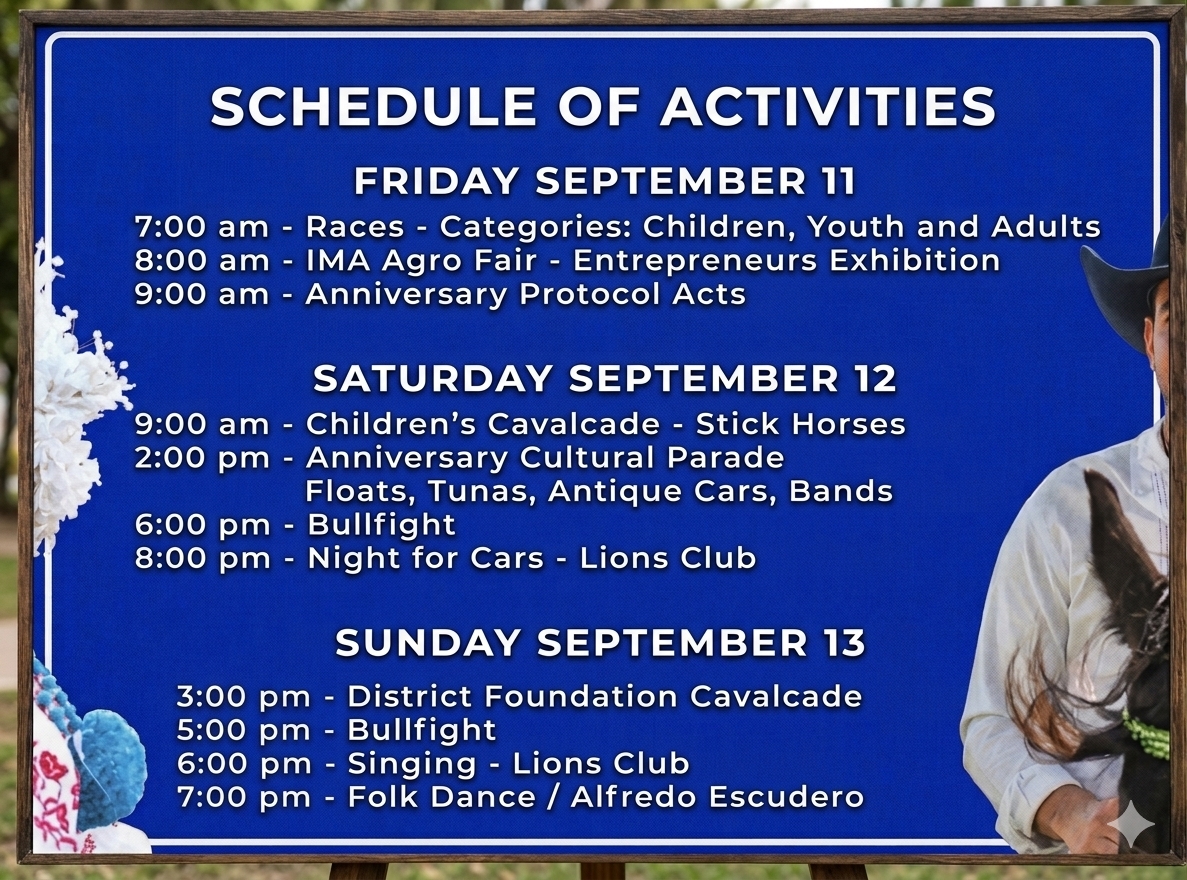
Eaton: And what is the occasion for this event in November?
Chavarría: It is the celebration of Panama’s independence, featuring the participation of all the schools that have marching bands and drum-and-lyre bands.
Everyone in Tierras Altas knows that the November 28th celebration takes place here with us—in Boquete, Tierras Altas, and La Chorrera. Last year, many schools decided to support the Tierras Altas parade on November 28th. This year, many more schools will participate; it’s a parade featuring elementary school bands, high school bands, and independent bands.
We expect around 70 bands to participate this year, and about 60,000 to 70,000 people visiting us on that date. It falls on a great day, too, since it’s a weekend. So, we invite you to join us and help spread the word about the November 28th event—it’s going to be another spectacular show in Tierras Altas.
Eaton: Now, since this is a celebration of the founding of Tierras Altas, could you briefly explain what makes Tierras Altas special as it celebrates these 13 years? What would you like people to know about how Tierras Altas has advanced and developed over this time?
Chavarría: Well, the idea to create the district arose because we used to belong to the Bugaba district—back then, we were just the corregimientos (townships) of Volcán and Cerro Punta. The Tierras Altas district was created by a law passed by the National Assembly, giving us the opportunity to be a young district—a district envisioned by its founders as a green, friendly place. The most important thing here is the innate gift the people of Tierras Altas have for hospitality—serving both locals and visitors alike. Everyone knows the Tierras Altas district is special; there is abundant nature and green space to enjoy, excellent cuisine, and, above all, a people who deeply identify with the region—who love where they live and what they do. Tierras Altas is defined by a vital blend of two elements: a booming tourism sector and—crucially—agricultural production, particularly vegetables. Tierras Altas produces 80% of the vegetables consumed nationwide, so we have these two key pillars: tourism and agriculture. We are truly happy and feel a strong connection to our district.
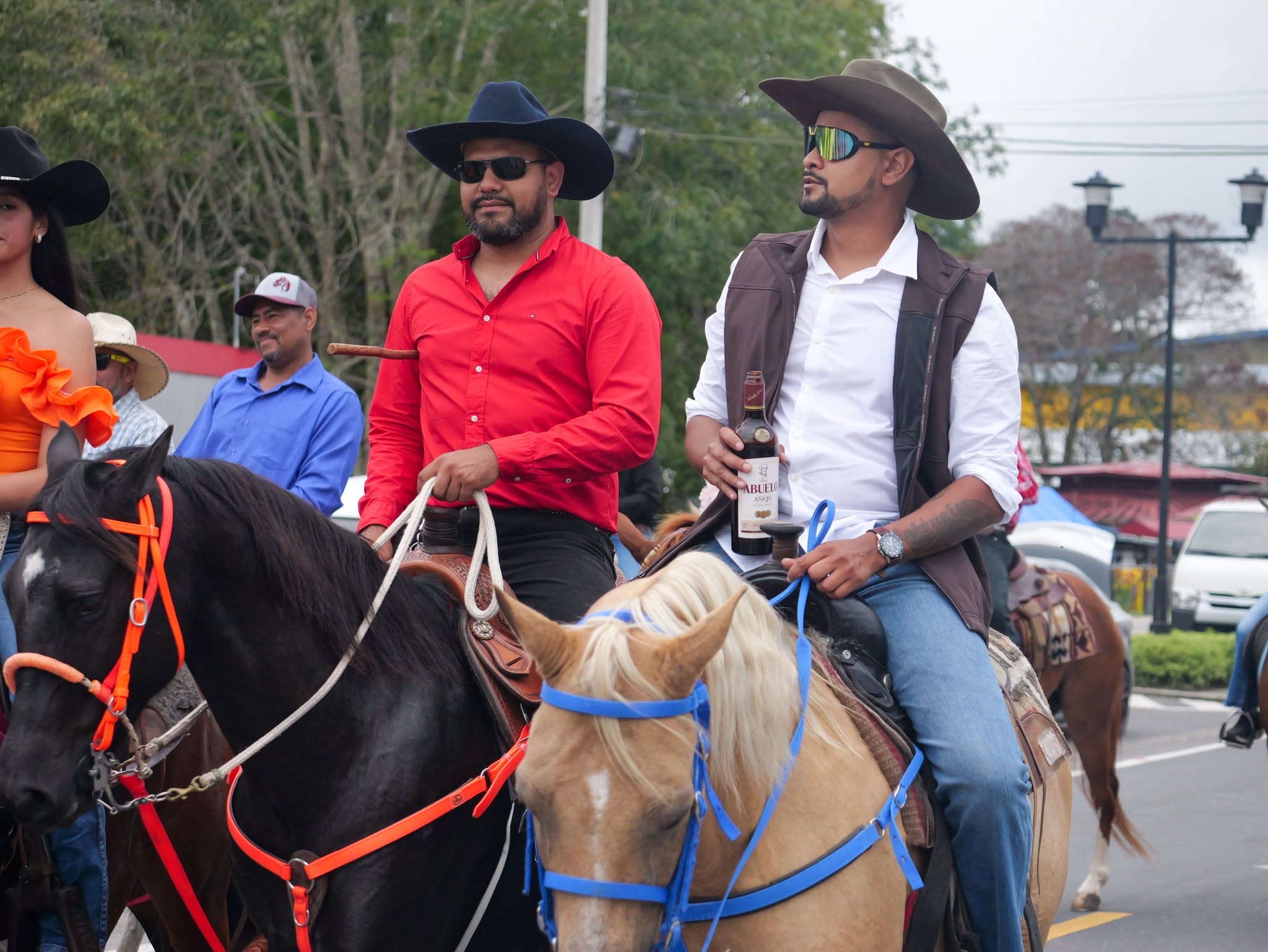
Becoming an official district has earned us a significant place on the national map. We invite those who haven’t been to Tierras Altas to come and visit—to enjoy the food, the hospitality of the people, and the beautiful natural landscapes and attractions the area offers, whether for tourism or to see the agricultural production firsthand.
Eaton: And this year, given the lack of rainfall, do you think the horseback parade and similar events help people forget—at least for a while—the problems we’ve faced, including economic issues? What is your take?
Chavarría: You are absolutely right. We all know we are facing difficult challenges due to the lack of rain, which impacts production—that is an undeniable fact.
However, this event—commemorating our anniversary as a district—instills a sense of belonging and identity. It also allows the public to enjoy activities that resonate with them personally, as there is such a wide variety of things to do. It also benefits the business sector in the Tierras Altas District—whether established businesses or local entrepreneurs—by generating economic activity for our population and our people thanks to the visiting crowds. While some come to have fun and enjoy themselves, the event also boosts the local economy, which is a positive thing.
Eaton: In a way, this event brings together different social classes; on one hand, I understand that some of those horses are incredibly expensive, yet there is a mix of people with money and people without it. How do you view that?
Chavarría: This Tierras Altas event—specifically the horseback parade—is wonderful, and it opens its doors to all social classes. It welcomes everyone, from the person with a modest horse to the owner of a high-bred animal. It is all about forging bonds of brotherhood and friendship, and sharing what Tierras Altas offers: that sense of humility and belonging. So, this parade is for everyone—from the finest horse to the humblest one. It is truly for everyone to enjoy. Throughout 2024……demonstrated that we hold a very important position nationwide when it comes to the cabalgata; we repeated that success in 2025, and 2026 will be no exception—thanks to our standard-bearer, Virgilio Saldaña. I want to highlight that: the standard-bearer is a young producer and entrepreneur from Tierras Altas. He brings great prestige to the district because he, his family, and his community are dedicated to production and marketing—activities that truly define Tierras Altas within the agricultural sector.
Eaton: I saw that he is going to participate; how was he chosen?
Chavarría: In cases like this, we always put forward proposals to various people—looking first for those who can help develop the event. It isn’t easy; being the standard-bearer involves costs and covering the logistics of hosting the public. That’s why, as the Mayor’s Office National Celebrations Committee, we decided to look for someone who embodies what Tierras Altas is all about. Tierras Altas is largely defined by agricultural production—vegetables and the like—so we chose young Virgilio Saldaña. His father and brothers run a major business producing vegetables, potatoes, and other crops, which is why we selected him. Beyond that, he deeply identifies with the work done in Tierras Altas, and he’ll demonstrate that during the parade route by handing out gifts to children. It’s not just for the adults or the riders; there are also gifts for the children watching the parade alongside their families.
Eaton: The cabalgata is part of the Panamanian identity. Is it very important to Panamanians?
Chavarría: Absolutely; Panama is no exception to this reality. Beyond what you mentioned regarding the transportation system—back when roads were difficult and there were no connections between places, the way to get from where you lived to where you worked was by horse—these animals serve a purpose today that goes beyond just being tools for work or transportation. They allow us to gather with good friends who might not otherwise have the chance to socialize due to personal commitments. This trail ride gives us that opportunity to connect, and it also allows the public to witness and enjoy the different horse breeds participating in the Tierras Altas District ride.
Eaton: One last question: when the district was established 13 years ago, one of the goals was to improve services, roads, and infrastructure. Presumably, fewer people are forced to rely on horses for travel today compared to 13 or 15 years ago. Could you speak a bit about how services have improved since Tierras Altas was founded?
Chavarría: Look, regarding Tierras Altas becoming a district, we have to thank those who had that vision. We have improved—specifically in commerce; there are more restaurants, hotels, supermarkets, and coffee shops than we had before. This gives us the opportunity, first, to provide services to those who need them, and second, to create jobs for our people, bringing economic resources into their households. But it’s not just that sector; becoming a district has also given us the chance to improve many access roads serving both agriculture and tourism. Today, we are grateful for the large number of new roads we have—roads that didn’t exist before—and I thank the central government for that. Furthermore, as local authorities, we have worked hand-in-hand with the Ministry of Public Works and the Municipal Council to open up or upgrade access roads that were in terrible condition. We’ve been able to cut, widen, surface, and grade them, transforming roads that small vehicles once couldn’t navigate into routes passable by any type of vehicle—whether for locals or visitors. For instance, knowing we have anniversary events coming up, as well as the November 28th celebrations, we’ve opened a road that starts across from the Delta gas station and the Volcán Bakery. It leads directly to the Volcán Secondary School guardhouse, allowing drivers of small, medium, and large vehicles to use a route that was previously unavailable. Now, anyone heading to Paso Ancho or Cerro Punta can use this road without having to wait for the main highway to clear. These are real advances. We can also point to private investment, where we are seeing……a version [of development] involving various companies currently setting up in our district. These will enable Tierra Altas to offer more to both residents and visitors every day. We are truly grateful for the growth we have experienced, and we continue to encourage our community to provide ever-improving service—not just for ourselves, but for visitors and for those who choose Tierra Altas as a place to live or settle permanently. We have opened our doors to foreigners here in Tierra Altas and are ready to keep working together. We realize that by uniting local government—including our five representatives—with the central government and the entire population of the Tierra Altas district (both nationals and internationals), we can place Tierra Altas prominently on the map. This applies to tourism, customer service, and the agro-tourism sector alike.
Eaton: I have no further questions. Is there anything else you would like to add?
Chavarría: Well, I would like to tell the entire population of the district—both nationals and foreigners living here—that we are at your service. The Tierra Altas Mayor’s Office humbly provides various services across different departments, including guidance and support. Please feel free to come here with confidence; from day one, we have maintained an open-door policy for the 23,000 inhabitants of our district and for anyone else needing services from this institution—even if they aren’t from Tierra ss, we are here to serve them.
Eaton: Thank you.