

I was immersed in thoughts about information warfare today when someone reminded me that relations between the U.S. and Cuba weren’t always so tense and adversarial.
“Obama and Rául showed the way,” he said.
I was in Havana on Dec. 17, 2014, when Raúl Castro and then-President Barack Obama announced a new agreement to restore diplomatic relations between the two countries.
Wayne Smith, a prominent U.S. diplomat, told a private gathering of diplomats, researchers and activists that day:
“I’m only going to say that I have been waiting 50 more years for this day…” he said. “Thank God, thank God.”
Smith said there had been “so many moments in the past” when he thought – “knock on wood” – there was going to be a better relationship between the two countries. Then it finally came.
“Everyone has worked, all of you have worked for this day,” he said. “It is your victory, your victory Congratulations. Thank God.”
Smith was one of the last junior diplomats in the American Embassy in Havana when ties were cut in 1961. After retiring from the State Department, he spent years advocating for dialogue and normal relations between the U.S. and Cuba.
In 2015, Smith and his daughter, Melinda, attended the ceremony to officially re-inaugurate the U.S. Embassy. The raising of the American flag represented “the pinnacle of his life’s work and he cried when it went up the pole,” Melinda was quoted as saying, according to an account by the National Security Archives. “But the people’s recognition and gratitude for that work and personal sacrifice was what he most cherished and kept with him until the day he died,” she said.
Smith died on June 28, 2024, at the age of 91.
I saw the former diplomat in Havana on Dec. 17, 2014, when the “Cuban Thaw” was announced. Less than an hour later, I noticed Cuban students gathering for a march. I followed them through the Vedado neighborhood as they celebrated this new chapter in U.S.-Cuba relations.
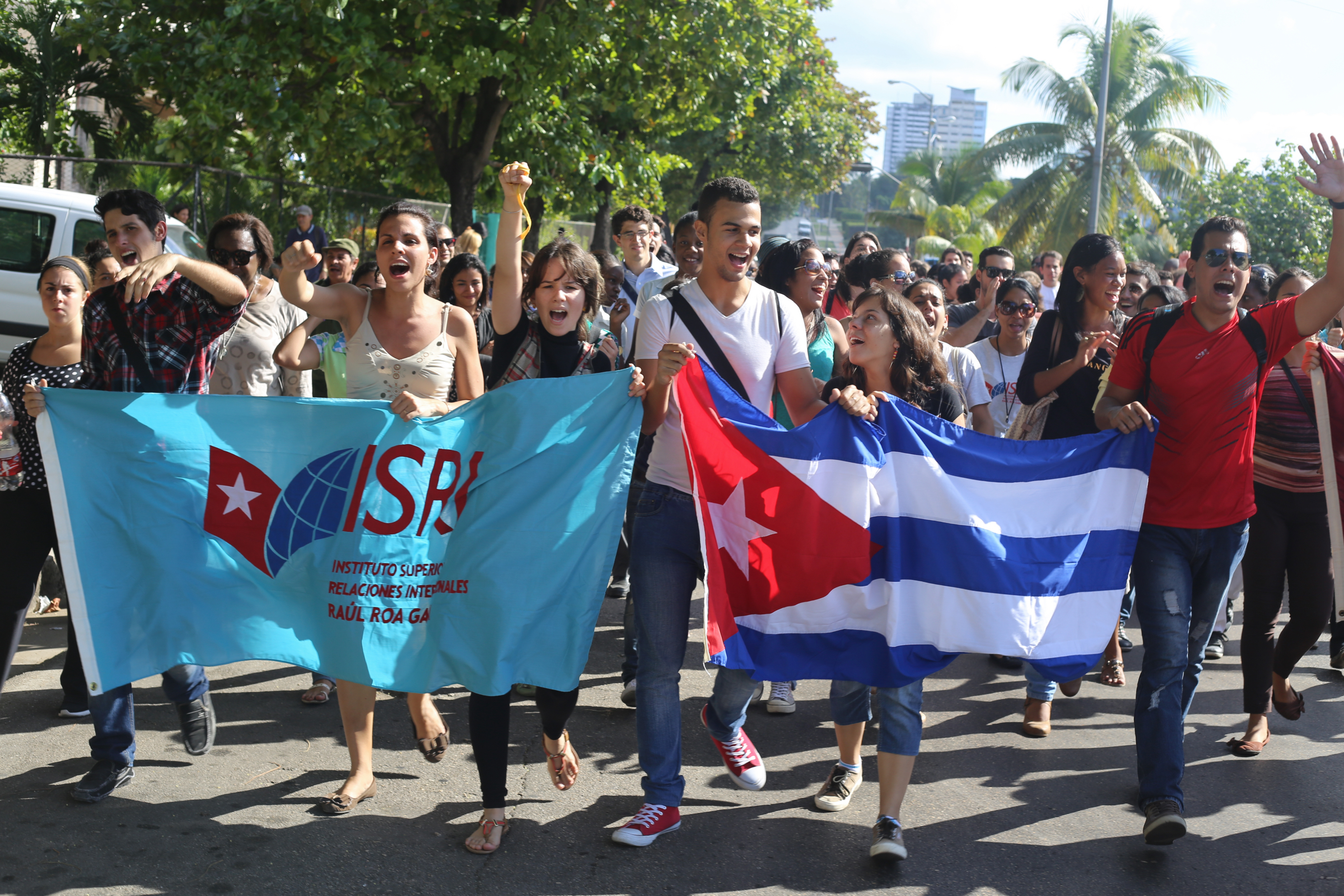
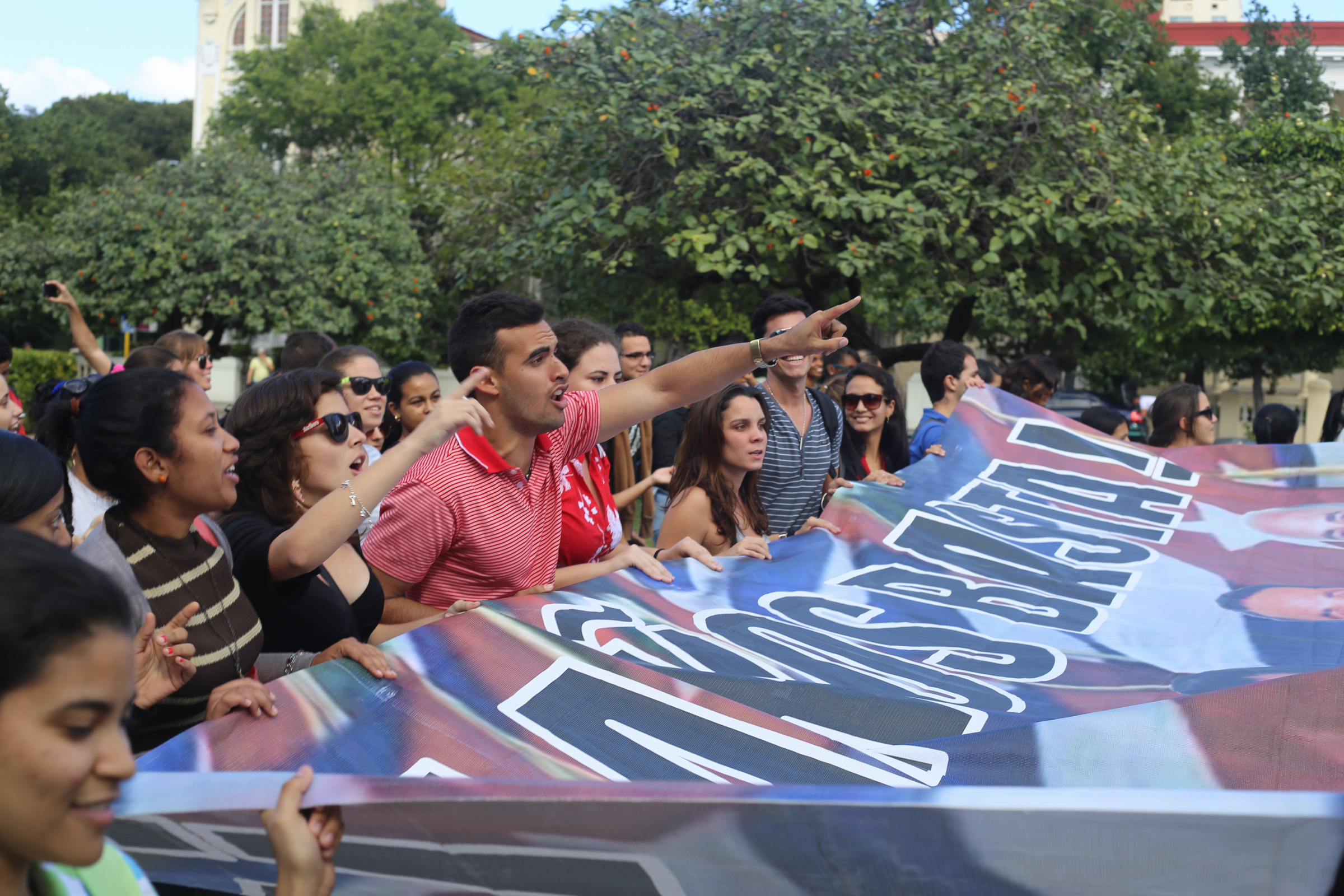
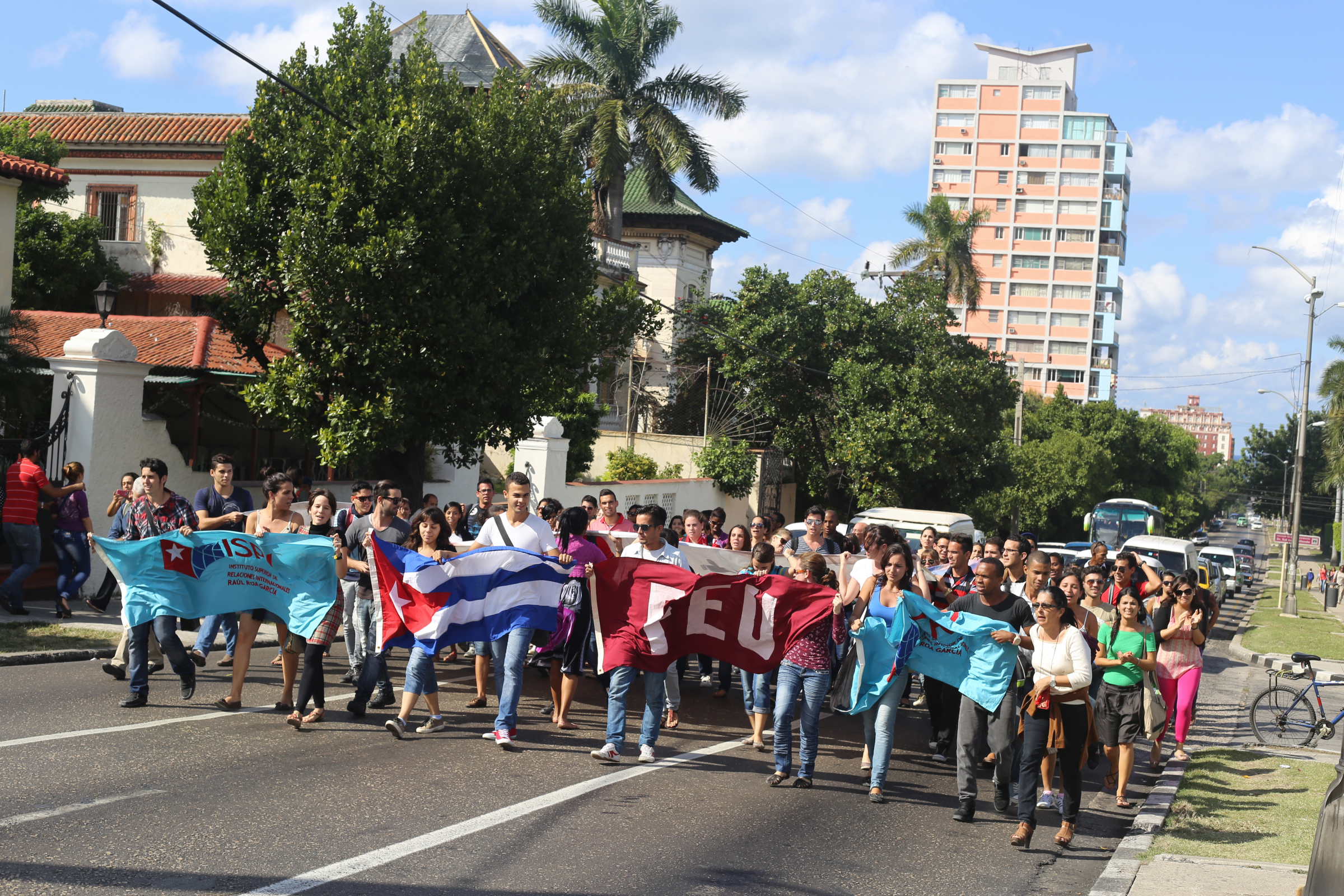
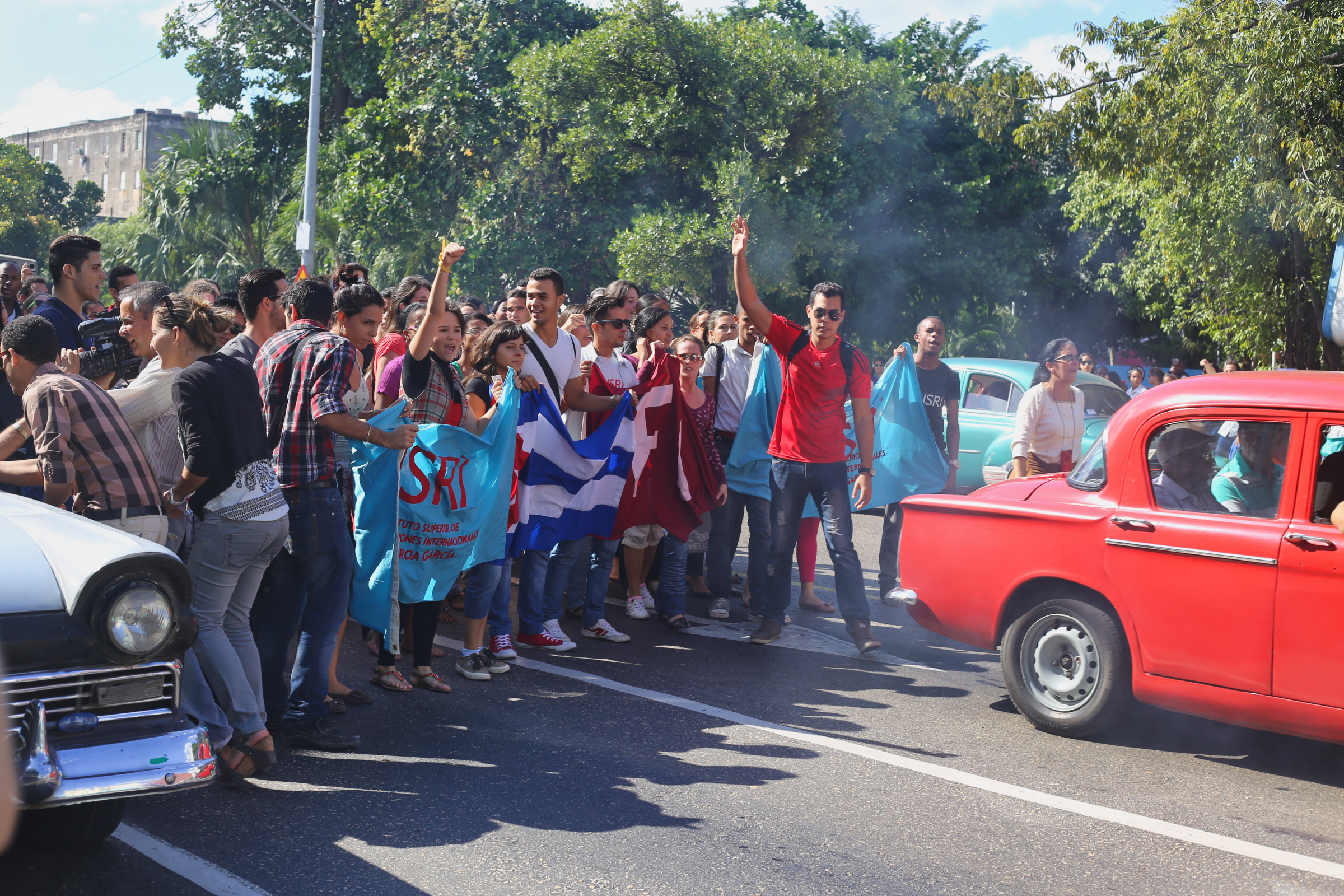
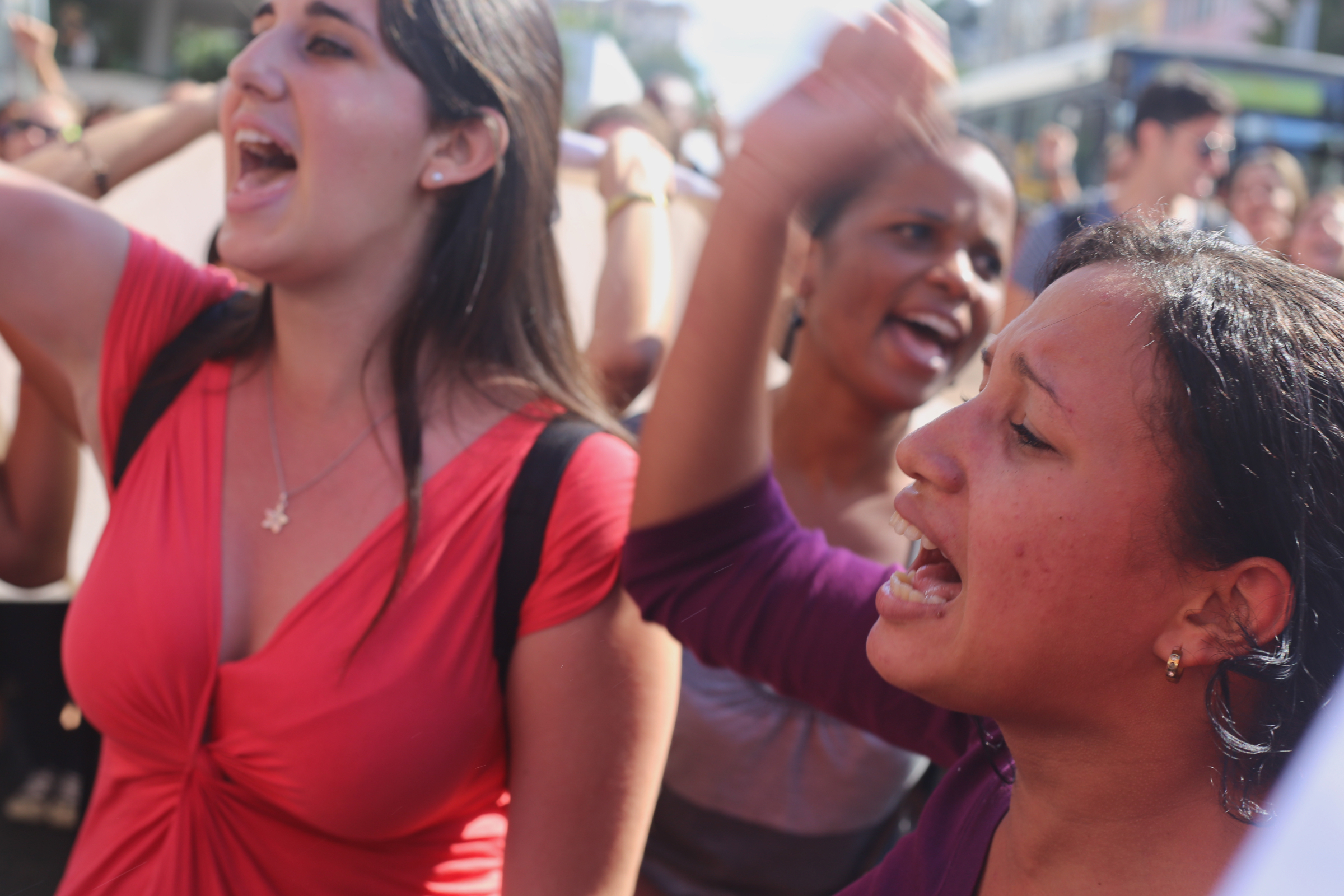
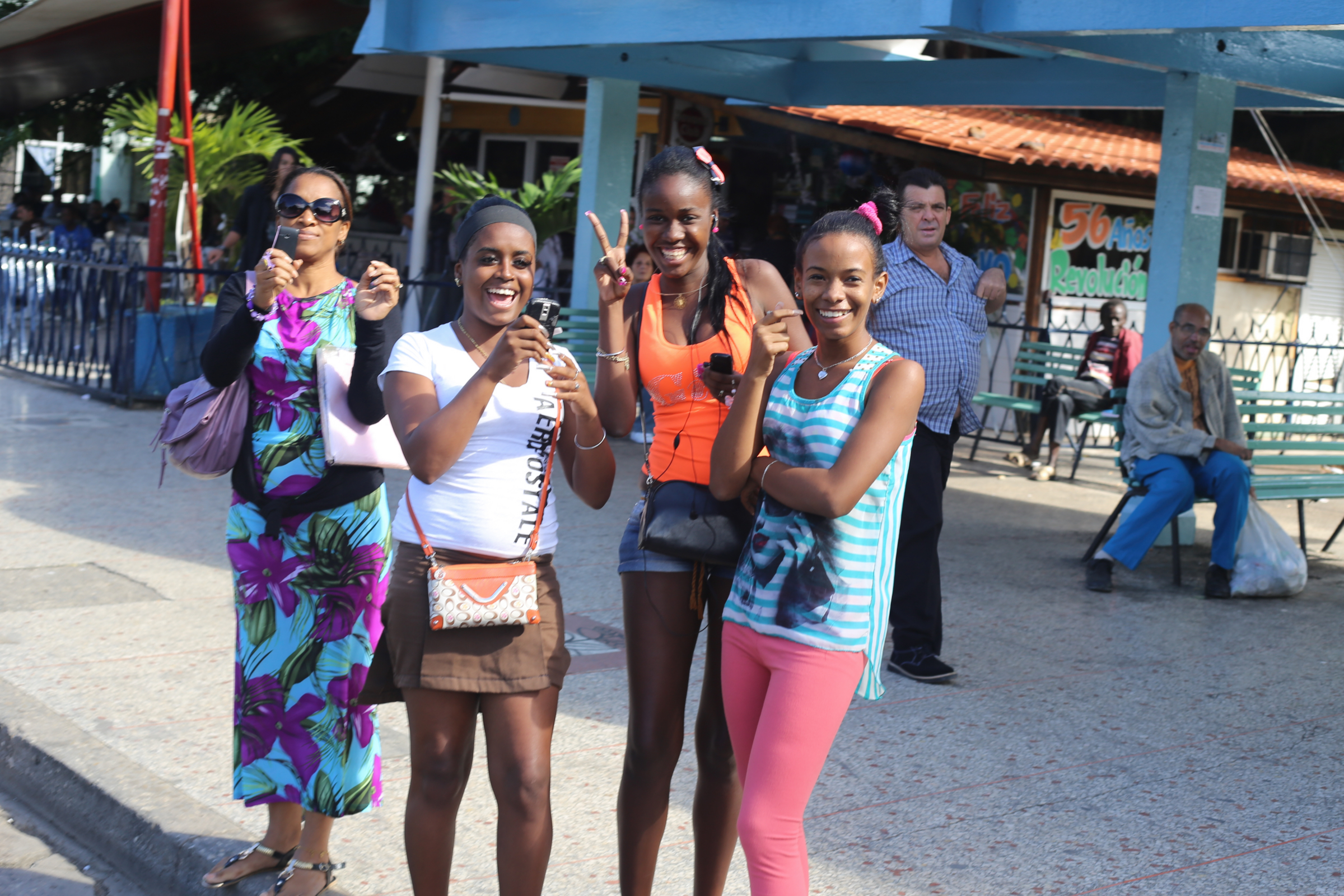
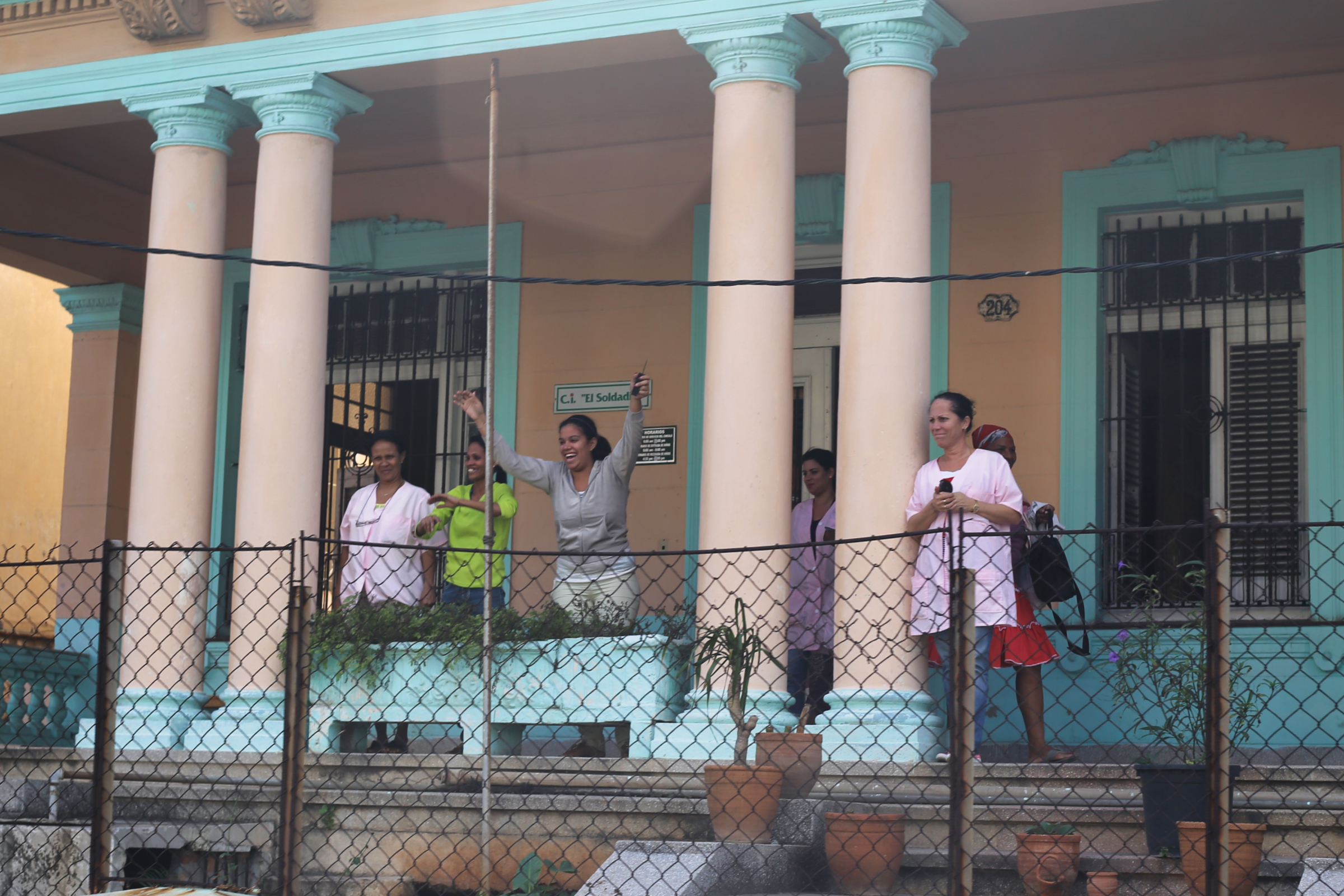
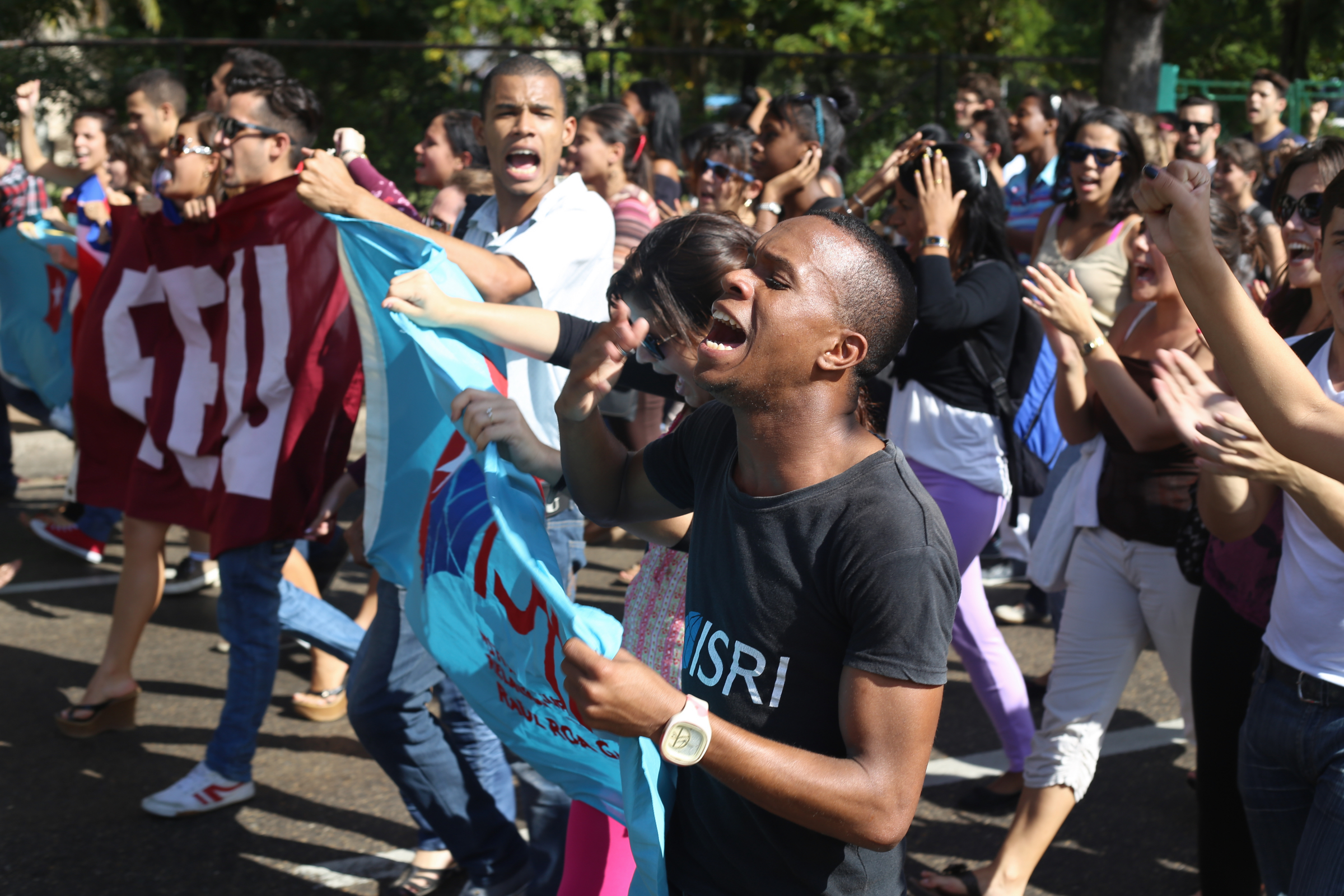
The students called out the names: Gerardo, Antonio, Ramón, René and Fernando. They were referring to the Cuban Five, spies who had been jailed in the United States.
Gerardo Hernández, Antonio Guerrero and Ramón Labañino were released that day as part of a prisoner exchange and the broader U.S.-Cuba agreement. The two other Cuban agents were already free. René González was released on Oct. 7, 2011, after completing his prison sentence, and Fernando González, was freed on Feb. 27, 2014, and returned to Cuba.
The U.S. and Cuba officially restored relations on July 20, 2015. On that day, embassies were reopened in Washington, D.C. and Havana for the first time since the countries cut ties in 1961.
Cuba quickly became one of Airbnb’s fastest-growing markets. Trendy, privately-owned restaurants and bars opened up across Havana. The number of U.S. visitors escalated. Global brands swept into Cuba. Hollywood filmed The Fate of the Furious on the streets of Havana. Chanel hosted a fashion show. The Rolling Stones performed a free concert for hundreds of thousands of Cubans. American television networks began filming specials on the island.
But the “Cuban Thaw” lasted only 1 year, 10 months and 27 days. It ended when President Donald Trump traveled to Miami and signed an executive directive that began a reversal of Obama’s Cuba policies.
Since then, Trump has severely tightened sanctions, cutting off most oil supplies and punishing anyone doing business with Cuba. Cuba has announced economic reforms, but most people still on the island are suffering in the midst of a humanitarian crisis.
So what do you think? Is another thaw possible?
Fact check: Gemini, Google’s AI tool, rates this article as accurate. See report.
1 thought on “The Cuban Thaw: Could history repeat itself?”